 image: asphalt-finishfile: asphalt-finish.webpslot: hero.asphalt-vs-concrete-driveways
Concrete & Pavements / PRACTICAL GUIDE
Asphalt vs Concrete Driveways
Which driveway is cheaper? Compare asphalt and concrete, including how size, groundwork, drainage, finish and future care affect the choice for your Auckland home.
Which driveway is cheaper?
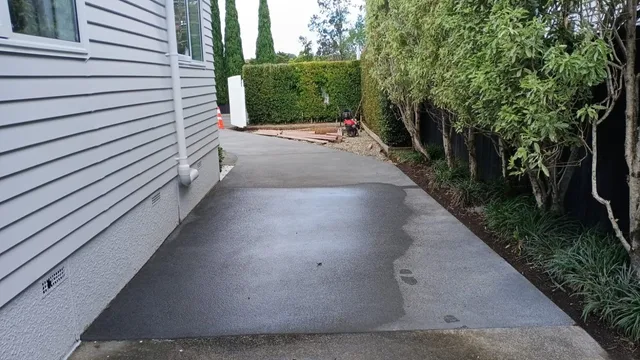
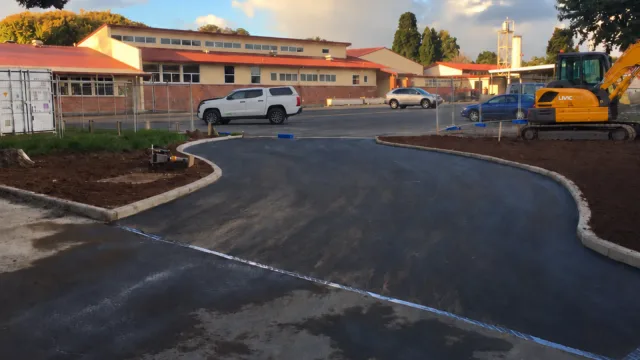
Asphalt is often cheaper to install than concrete, particularly for a larger driveway with straightforward access. On a small driveway, the price difference can be much closer. Removal of the old surface, ground preparation, drainage and access all affect the finished cost.
The right choice also depends on how you use the driveway and the finish you want. Livic Civil can deliver concrete or asphalt driveways across Auckland and help you compare both options for your property.
The main differences
| Consideration | Asphalt | Concrete |
|---|---|---|
| Upfront cost | Often lower on larger, straightforward jobs. | Can be competitive on smaller jobs; decorative finishes add cost. |
| How it behaves | More flexible and more sensitive to temperature. | A much stiffer slab with planned joints. |
| Appearance | Usually a dark, relatively uniform finish. | Plain, coloured and exposed-aggregate options are available in the market; confirm the finish in your quote. |
| Using it after construction | Generally available for vehicles sooner, once cleared for use. | Needs time to develop strength before vehicle use. |
| Later repairs | Patching and resurfacing may be possible, depending on condition. | Local repairs or panel replacement may be needed; matching can be difficult. |
| Water runoff | Standard asphalt needs planned drainage. | Standard concrete needs planned drainage. |
Why driveway size affects the price
Every driveway needs a crew, equipment and material deliveries. Those costs are spread over fewer square metres on a small job, which can increase its rate per m². On a larger open area, the same setup can serve more driveway.
That can make asphalt attractive for a long driveway or a larger parking area, provided access and layout allow efficient construction. Concrete also benefits from scale. A narrow driveway that needs extensive handwork can price differently from an open area of the same size.
There is no single size at which asphalt automatically becomes cheaper. We compare the complete job, including the work underneath each surface, before recommending an option. A surface-only rate is not directly comparable with a quote that includes removal, drainage and a full pavement rebuild.
What flexible and rigid mean
Asphalt combines stone aggregate with bitumen, which binds the mix together. You may hear it called hot mix, asphaltic concrete or AC. Concrete uses cement, water and aggregate to form a hard slab.
An asphalt pavement can flex slightly under loading. Concrete is much stiffer, so the slab helps spread the load over the ground beneath it. These are differences in how the pavement works; both still need suitable support.
Asphalt can crack, rut or settle when its foundation moves or fails. Concrete can also crack as it shrinks or responds to movement and loading. Planned joints help control cracking, while reinforcement helps hold cracks tightly together. Neither material guarantees a crack-free driveway.
When asphalt may suit your home
Asphalt is worth considering if you have a larger area to surface, prefer a dark finish or want to keep the initial construction cost down. It can also suit households where getting vehicle access back sooner is a priority. We confirm when the finished driveway is ready for use; the mix, weather and vehicle loads affect that timing.
A sound asphalt driveway can sometimes be resurfaced later. That depends on its condition and finished levels, and any failed areas need to be addressed first. A new layer of asphalt will not repair a failing foundation. Resurfacing suitability needs assessment rather than being assumed in a replacement quote.
How you park matters too. Tight steering while stationary can mark fresh asphalt, especially in hot weather. Small contact points such as a motorbike stand or trailer jockey wheel can leave an indentation. Tell us about boats, trailers and work vehicles so these loads are considered.
Explore Livic Civil’s asphalt driveway service for the construction process and what to send for a quote.
When concrete may suit your home
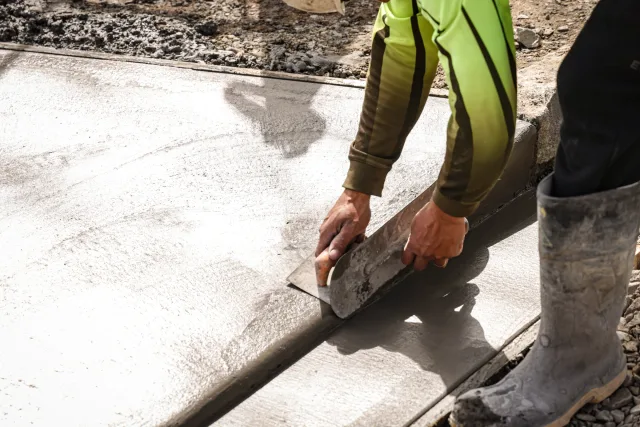
Concrete is worth considering if the driveway is a prominent part of the property and you want a choice of finish. Plain concrete, coloured concrete and exposed aggregate can produce quite different results. These are general surface options; the finish Livic Civil will provide is confirmed in your quote. The chosen texture also needs to suit the slope and wet-weather use.
Its harder surface can be useful where vehicles regularly turn or where concentrated standing loads need consideration. The slab and foundation still need to be suitable for the vehicles using them. Concrete is not automatically strong enough for any truck or load.
Concrete can provide long service with relatively little routine surface work, but it still needs care. Cracks may need assessment, stains may need cleaning and a selected sealer may need renewal. It also needs time to gain strength before you drive on it.
Our completed Beach Haven driveway shows approximately 60 m² of pavement reconstruction with a black oxide exposed-aggregate finish. Its build-up is specific to that project, rather than a universal driveway specification. See our concrete driveway service for the wider scope.
The groundwork and drainage matter with either surface
A driveway is a complete pavement, including the ground and compacted layers beneath the finish. Soft spots, unsuitable fill and poor compaction can undermine either option. The work needed below ground should be understood before the final surface is chosen.
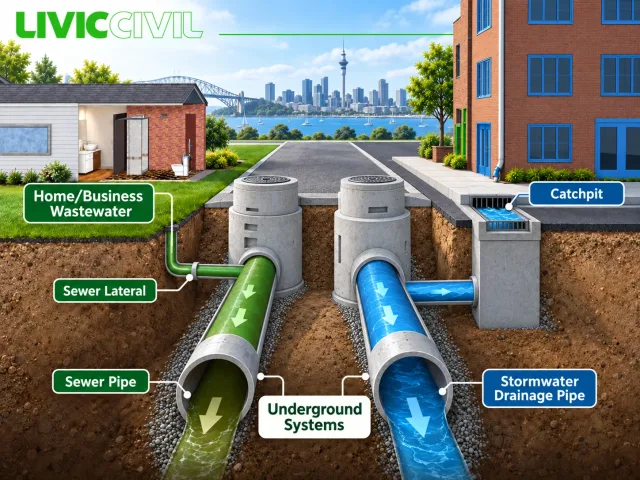
Standard concrete and asphalt both shed rainwater. The driveway needs suitable falls and drainage, particularly where it slopes towards a garage or house. Water should be managed as part of the design, including where it goes during heavy rain. Our stormwater and wastewater guide explains the distinction between those drainage systems.
Replacing a worn surface over sound foundations is different from removing the driveway, rebuilding the base and changing the drainage. Those differences need to be clear in the quote.
Compare the complete quotations
When comparing prices, check whether each quotation covers:
- Removal and disposal of the existing driveway.
- Excavation, unsuitable ground and new compacted base layers.
- Drainage, levels, edges and connections to existing surfaces.
- The pavement design for your vehicles and intended use.
- The specified finish, reinstatement, access arrangements and GST.
A fair comparison uses the same intended use and scope. It does not require identical layer thicknesses, because asphalt and concrete work differently.
If you plan to stay in the property for years, consider likely maintenance and future repairs alongside the installation price. A lower upfront figure does not by itself establish the lowest cost over the life of the driveway.
Talk to Livic Civil about both options
You do not need to settle on a surface before contacting us. Send us your suburb, approximate driveway size and what you want to change. Tell us about any slope, drainage problems or heavier vehicles. Photographs can be emailed using the details on our contact page.
Livic Civil can talk through concrete and asphalt, explain the work involved and provide a quote for your driveway. Ask us to compare both options, or explore Concrete & Pavements to see how the driveway connects with wider civil work.
Sources & further reading
Primary references checked during preparation. Confirm the requirements and current documents for your own project.
This guide is general construction information, not a site-specific design, legal opinion or safe-work method. The approved design, contract, consent conditions and relevant specialist advice govern each project.