Three Waters / PRACTICAL GUIDE
Stormwater vs Wastewater
What the two networks do, why the distinction matters, and what to confirm before drainage construction starts.
Let's talk about your project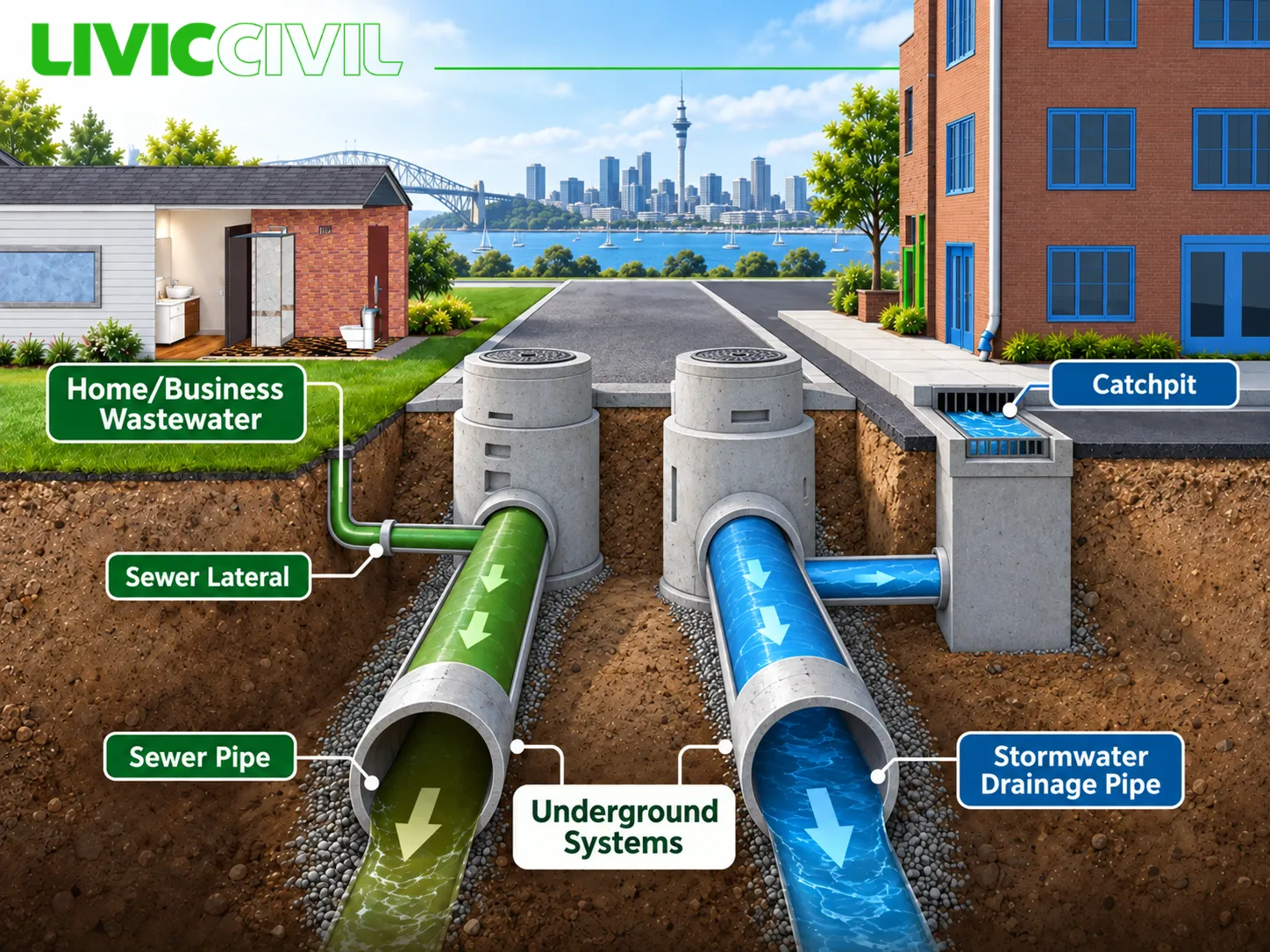 image: stormwater-wastewater-diagramfile: stormwater-vs-wastewater-diagram.webpslot: hero.stormwater-vs-wastewater
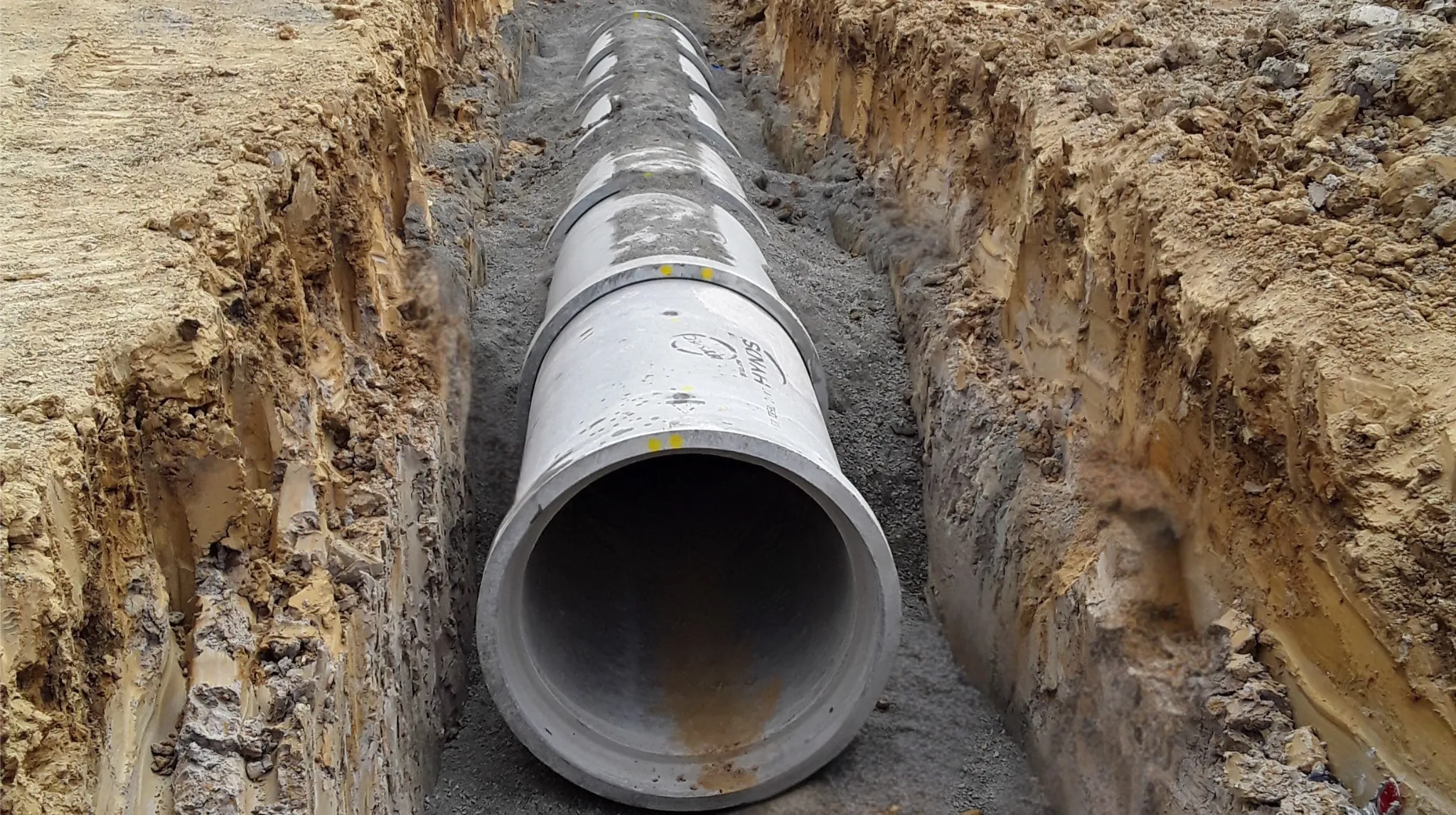
Stormwater is rain runoff from roofs, roads and other surfaces. Wastewater is used water from toilets, sinks, showers and similar sources. They have different functions, connection requirements and construction risks. Before any drainage work starts, the project team needs to know which network it is dealing with.
Two networks. Different jobs.
A stormwater system collects and carries rainfall runoff. A wastewater system carries used water towards treatment. Watercare explains that Auckland Council manages the public stormwater network, while Watercare manages public wastewater services. Private drainage responsibilities depend on the asset and connection involved. Watercare's explanation is a useful starting point for understanding that distinction.
That description is not a site investigation. An old plan, an unlabelled cover or the appearance of water does not prove the identity, alignment or condition of an underground asset. The construction team still needs reliable project information and the appropriate asset-owner involvement.
Why the distinction matters on site
The wrong assumption can affect much more than the pipe being installed. It can change the connection detail, operating arrangements, testing requirements, discharge controls and the people who need to approve the work. A scope that simply says "connect to existing drain" leaves too much open.
The practical question is not only whether a pipe is stormwater or wastewater. It is also whether it is public or private, what remains live during construction, who owns the connection and what evidence is needed at handover. Those questions belong in the scope and methodology, not in a rushed conversation beside an open trench.
Confirm the asset before choosing the method
A useful starting pack includes the latest drawings, available asset records, survey information, known service constraints and the proposed connection details. Where information is uncertain, the project should allow for appropriate locating, investigation and technical queries before the final sequence is committed.
This is also the time to define responsibility. The client, designer, civil contractor and any specialist operator should understand who is arranging approvals, who is controlling flows and who can authorise a change. A short, agreed responsibility table can be more useful than several separate assumptions.
Plan the whole construction sequence
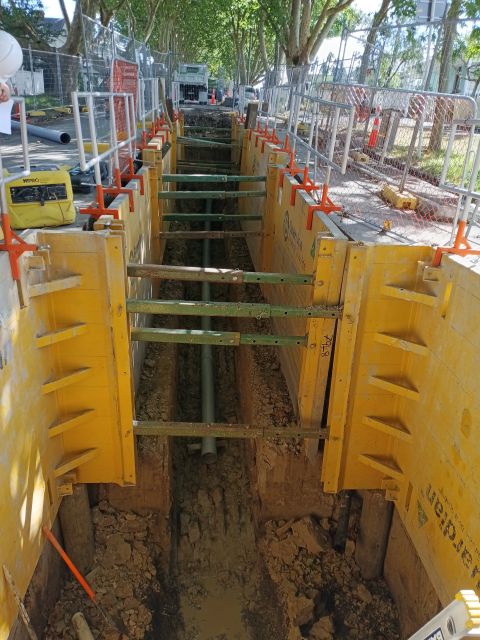
Pipe installation is one part of the job. Access, excavation, temporary support, lifting, water management, bedding, connections, testing and reinstatement all have to work together. A change at one interface can affect the rest of the sequence.
For example, a connection that can only be completed during an agreed interruption will influence preparation, plant, specialist attendance and the amount of work that must be ready beforehand. The programme should show that dependency clearly. It should not treat the connection as an ordinary activity that can happen whenever the trench reaches it.
The same principle applies to inspection. Work that needs to be checked before it is covered should have a defined release point. The right person needs sufficient notice and the crew needs to know what evidence is required. That is a planning issue as much as a quality issue.
Do not forget the property interface
Drainage work often affects people who are not part of the construction team. A driveway, footpath, business entrance or private connection can sit directly in the work area. The method needs to allow for those interfaces, and the communication needs to explain what will change and when.
Record the condition of affected surfaces and agree what reinstatement includes. Make temporary access arrangements explicit. Where an interruption is necessary, the notification and approval process should be understood before dates are promised. Good communication is specific: which access, for how long, and who to contact when the plan changes.
Useful questions for a drainage enquiry
Ask which network is involved, who owns it, whether it remains live and whether the connection detail has been approved. Confirm available access, known service clashes and the required tests. Ask who will supply as-built information and who will accept the completed work.
These questions do not replace design or asset-owner requirements. They help reveal the information that the delivery team needs. The earlier that information is available, the easier it is to price and programme a scope without hidden assumptions.
How this relates to Livic
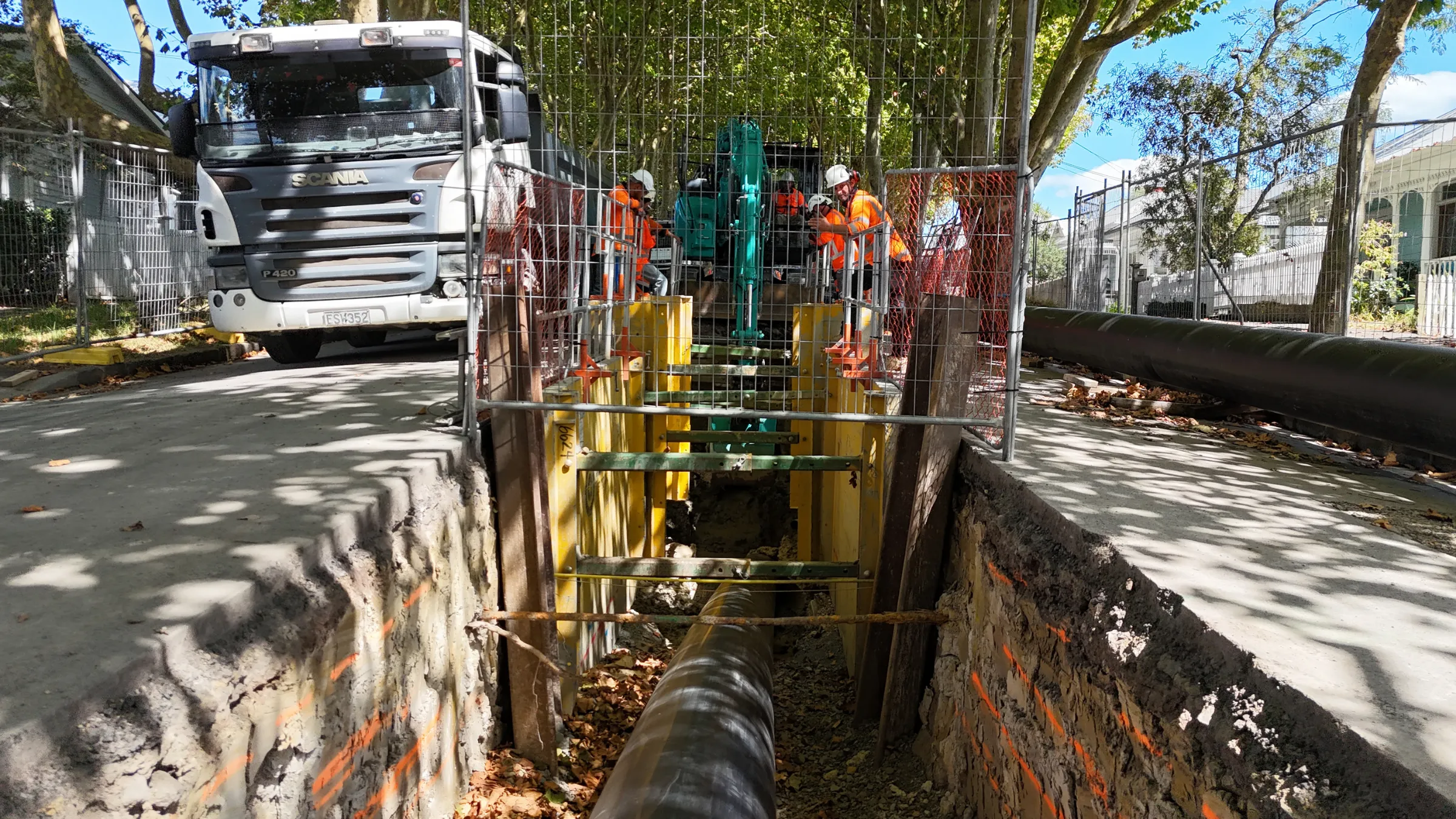
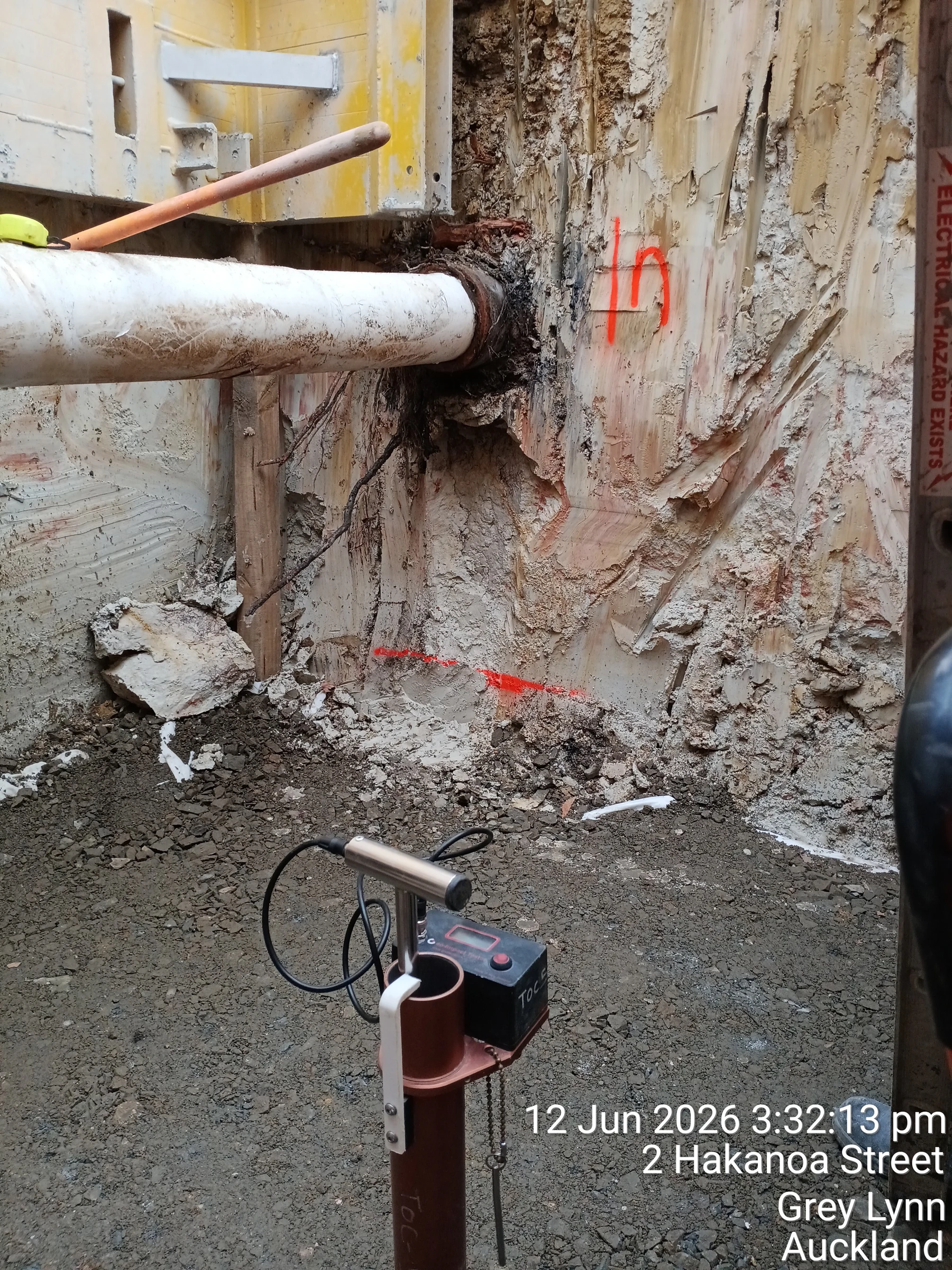
Livic's Three Waters capability brings drainage construction together with excavation, service interfaces and reinstatement. The Hakanoa Street case study is a supplied example of stormwater civil delivery in a constrained Auckland street.
Stormwater and wastewater should not be treated as interchangeable labels. Clear identification, an agreed scope and a connected construction plan are a much better starting point than discovering the differences after work has begun.
Sources & further reading
Primary references checked during preparation. Confirm the requirements and current documents for your own project.
This guide is general construction information, not a site-specific design, legal opinion or safe-work method. The approved design, contract, consent conditions and relevant specialist advice govern each project.