Project Delivery / PRACTICAL GUIDE
Why Good Information Matters on Site
Current drawings, clear decisions and records close to the work: practical information control without unnecessary layers.
 image: delivery-insight-informationfile: crew-8.jpgslot: hero.why-good-information-matters-on-site
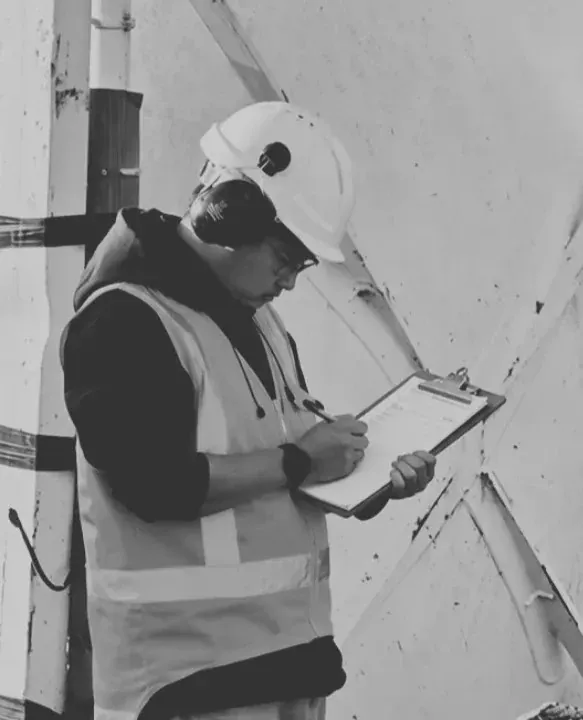
Good site information lets the people doing the work understand the requirement, recognise a change and make the right next decision. It includes current drawings, resolved technical queries, a workable sequence and clear inspection requirements. The system can be simple. What matters is whether it reliably connects the decision with the work.
A document is not the same as shared understanding
A revised drawing sitting in an inbox does not help a crew that is still working from an earlier copy. A technical response is not fully communicated because it has been filed. The people affected need to know what changed, why it matters and which instruction now applies.
This is a delivery responsibility, not only an administrative one. The person controlling information needs a connection to the site team and an understanding of the sequence. The site team needs a straightforward way to raise discrepancies without being expected to solve a design issue by assumption.
Keep one clear current set
Establish where the current approved information is held and how the crew accesses it. Make the document status visible. Superseded information should not sit beside current information without an obvious distinction.
The method should fit the project. A small package may not need a complex platform, but it still needs consistent naming, revision control and responsibility. A larger digital system does not automatically solve the problem if the site team cannot find the relevant detail or works from downloads that never get updated.
Make technical queries answerable
A useful query explains the issue, identifies the location and reference documents, and states the decision needed. Supporting photographs or marked-up information can help, provided they are clearly related to the question. The required response date should reflect the construction programme.
Avoid sending a broad problem without identifying its consequence. A designer or client can respond more effectively when they understand that a decision affects a specific excavation, delivery or inspection. Equally, do not present a proposed solution as an instruction until the appropriate party has approved it.
Track the response and communicate it to everyone whose work changes. The end point is not "email received". It is a resolved issue, reflected in the method and understood by the people who will carry it out.
Link quality checks to the sequence
The site team should know what needs to be inspected before work is covered or the next stage begins. A hold point hidden in a specification is unlikely to help if nobody has connected it to the daily plan.
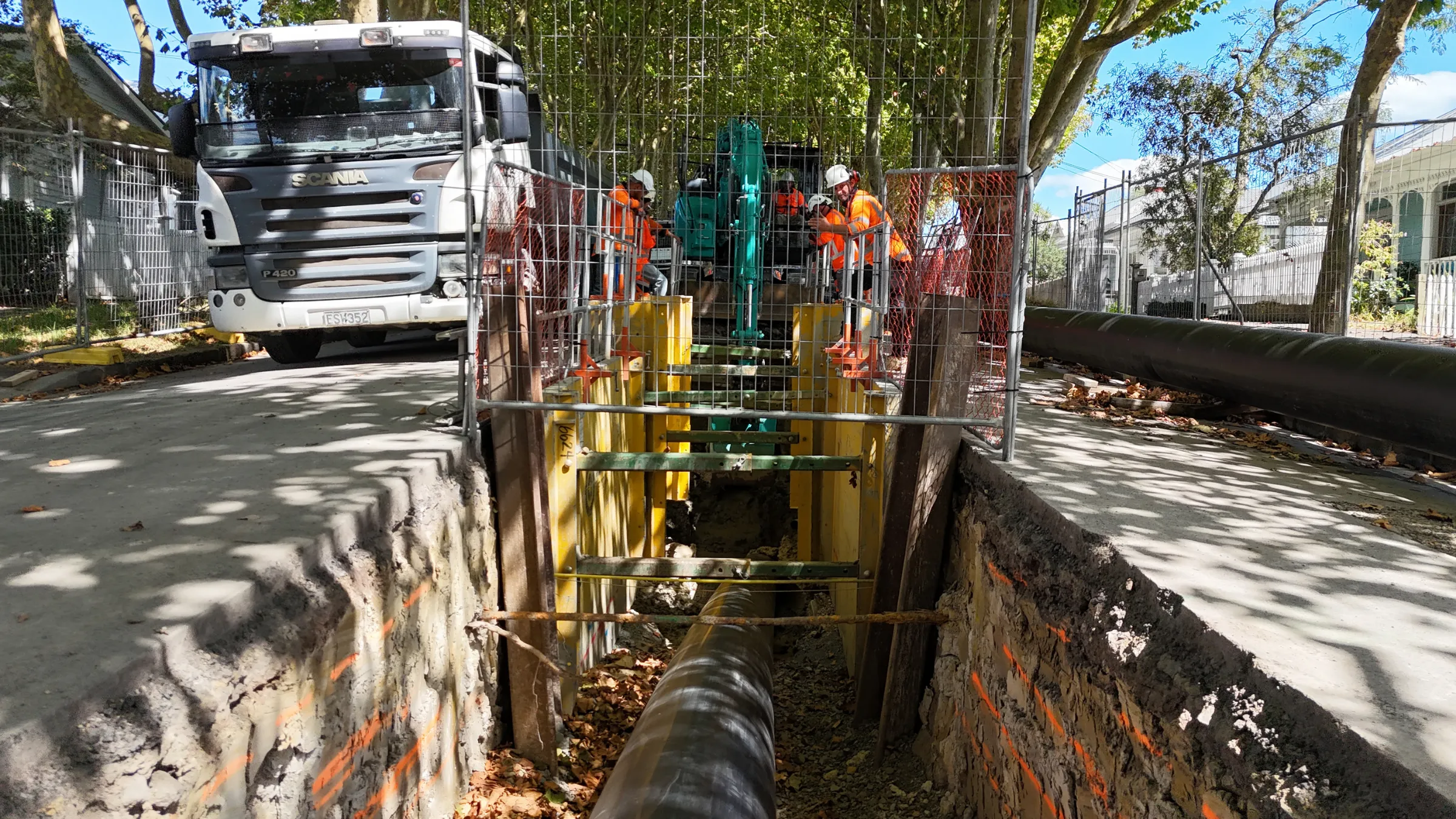
Translate the requirement into a practical inspection and test plan. Identify the responsible person, notice period, record and release. Keep the process clear enough that the crew can recognise when a stage is ready and when it is not. A missed inspection can be difficult to reconstruct after the physical evidence is buried.
Record decisions while they are fresh
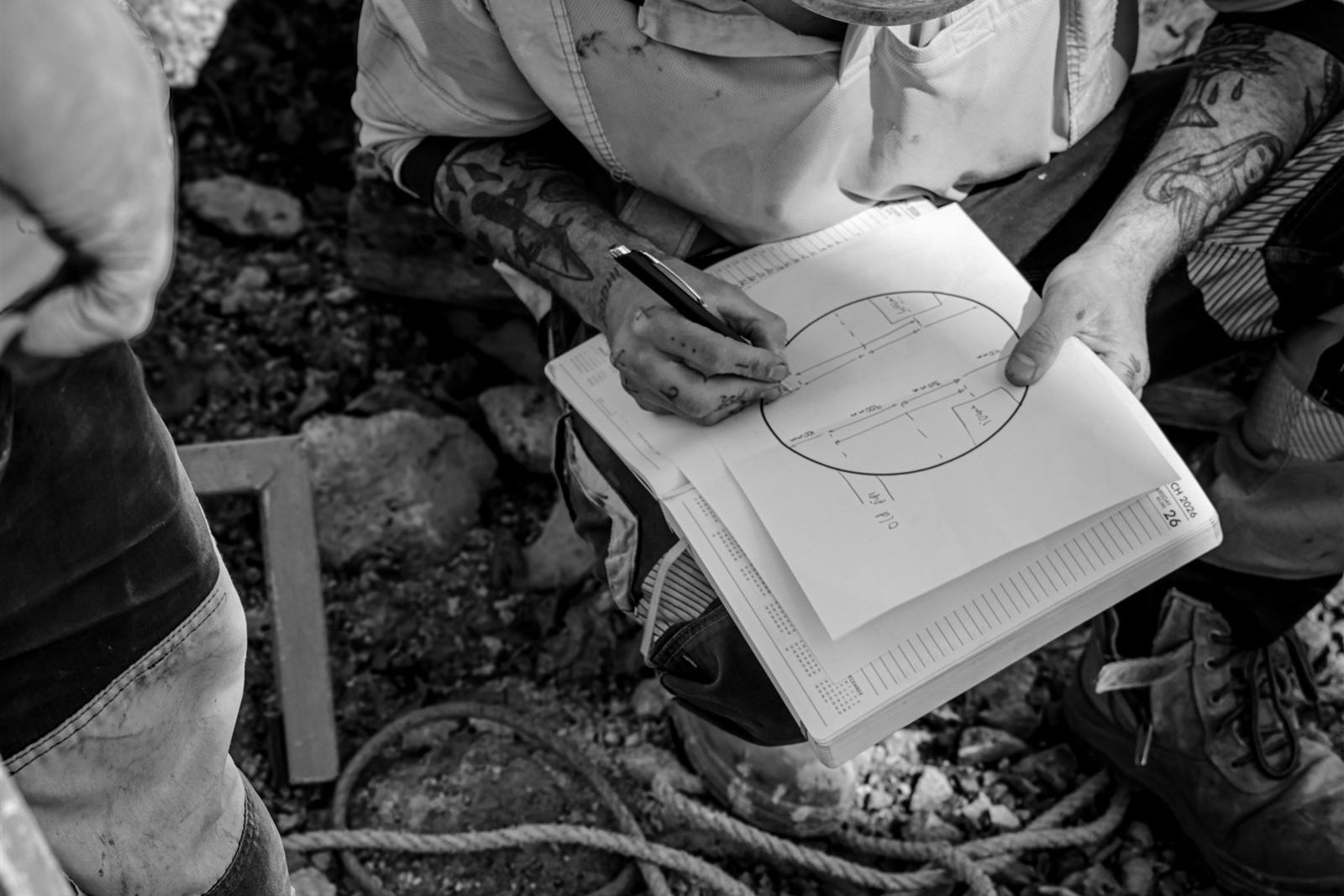
Changes, constraints and instructions should be recorded when they happen. Include the relevant location, date, reference and responsible parties. Separate observations from approvals and avoid treating an informal discussion as authority for a material change.
Photographs are useful when they have context. A clear asset reference and description can make a simple image valuable at handover. Hundreds of unlabelled images may be less useful than a smaller, organised record. The same principle applies to test reports, delivery dockets and survey information.
Close the information gap
A practical information system works in both directions. The office communicates current requirements, approvals and priorities. Site communicates actual conditions, progress, quality evidence and emerging constraints. Neither side should have to guess what the other knows.
Brief, regular coordination is often more useful than waiting for a long formal report. The conversation should focus on what is changing, what is blocking the next activity and who will act. Written records then preserve the decisions that matter, rather than trying to capture every conversation indiscriminately.
Correct use of technology reduces uncertainty
Digital forms, shared document systems and structured records can help when they make information easier to find and use. They can also create noise when they add duplicate entry, unnecessary alerts or unclear versions. Start with the decision and the user, then choose the tool.
For example, a pre-start record should help establish whether the equipment can be used and what happens when a fault is found. A quality form should identify the work and the acceptance requirement. Collecting a tick without a meaningful decision is not a substitute for control.
Keep ownership visible
Give each important action a person and a due date. Confirm who can approve a change and who must be informed. Review open items before they become urgent. The objective is not more management layers; it is fewer gaps between a requirement and its execution.
Livic's site engineering and quality assurance capabilities are intended to keep practical control close to the work. Good information does not build the job by itself. It gives good people a better chance of building it properly.
This guide is general construction information, not a site-specific design, legal opinion or safe-work method. The approved design, contract, consent conditions and relevant specialist advice govern each project.