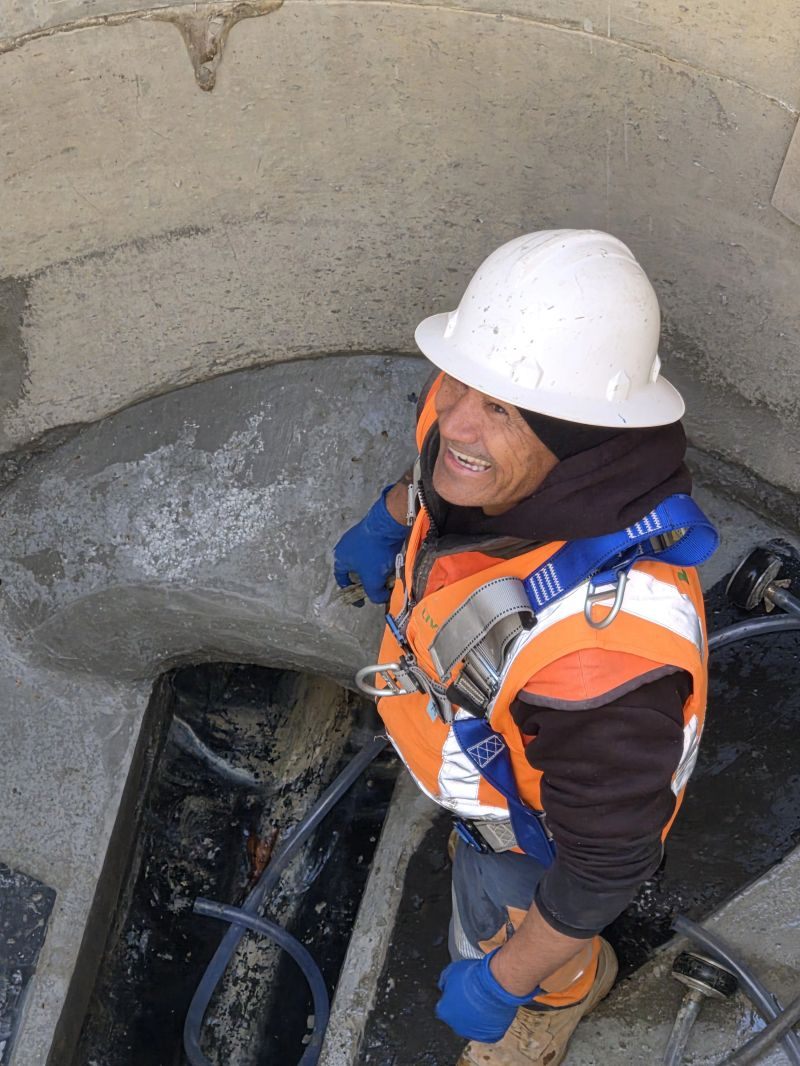
 image: technicalfile: technical-1.jpgslot: hero.what-is-a-ps3
Quality / PRACTICAL GUIDE
What Is a PS3?
What a construction producer statement does, what it does not do, and why supporting project records matter.
A PS3 is a producer statement for construction. It records a statement about a defined scope of work by the party completing or responsible for that scope. Its usefulness depends on the right author, a clear description of the work and evidence that supports the statement. It is not a substitute for every other inspection or approval.
Understand its place in the process
MBIE describes producer statements as professional opinions that a building consent authority may rely on when considering compliance. They are not warranties or guarantees, and the authority decides what weight to give them. The four common labels distinguish design, design review, construction and construction review. MBIE's producer statement guidance explains the framework.
The practical point is to confirm the required document with the receiving authority or client. A construction contract, an infrastructure asset owner and a building consent authority may have different forms and acceptance processes. A familiar label does not mean one template will be accepted for every job.
Agree the requirement before construction
The best time to discover that a construction statement is required is before the subcontract or work package is finalised. Confirm who will provide it, the scope it must cover, the format and the evidence needed to support it. Include the requirement in the engagement of the relevant contractor or specialist.
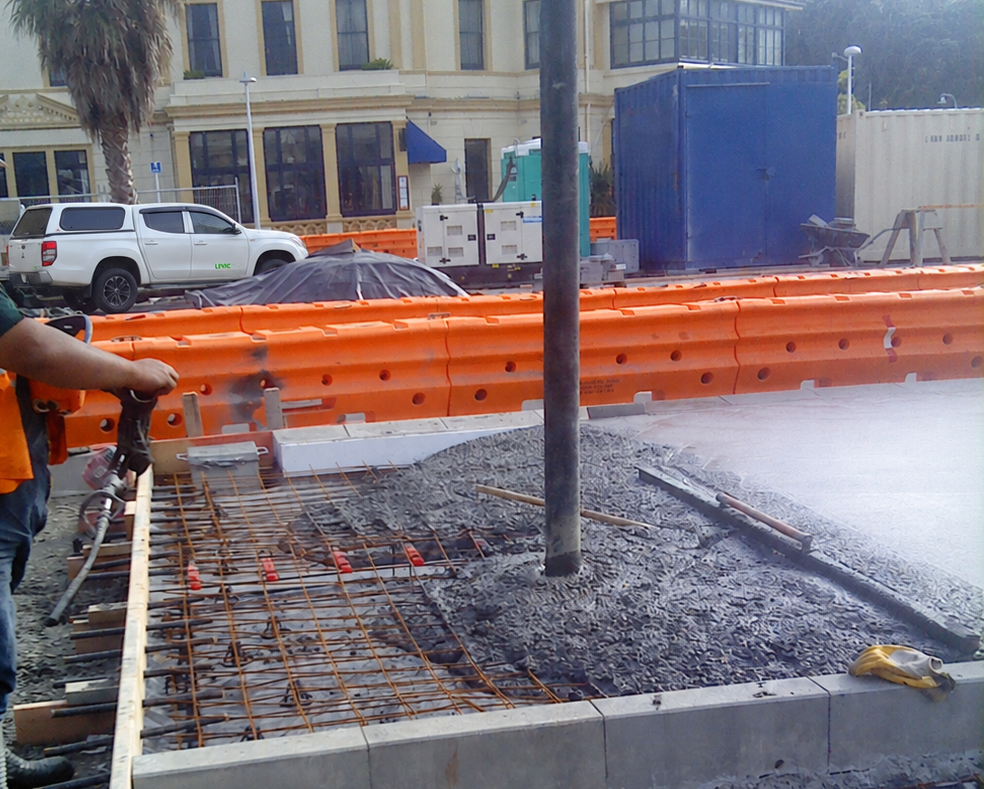
This also exposes gaps in responsibility. A civil contractor may construct the excavation and concrete while a specialist installs equipment or completes a proprietary system. Each party needs to know what it can reasonably certify and where another party's statement is required. A broad, ambiguous scope creates problems at close-out.
Make the scope specific
A useful construction record identifies the project, the relevant work and the documents against which it was built. Drawing references need to be current and any approved changes need to be traceable. The statement should not quietly extend beyond work the author can support.
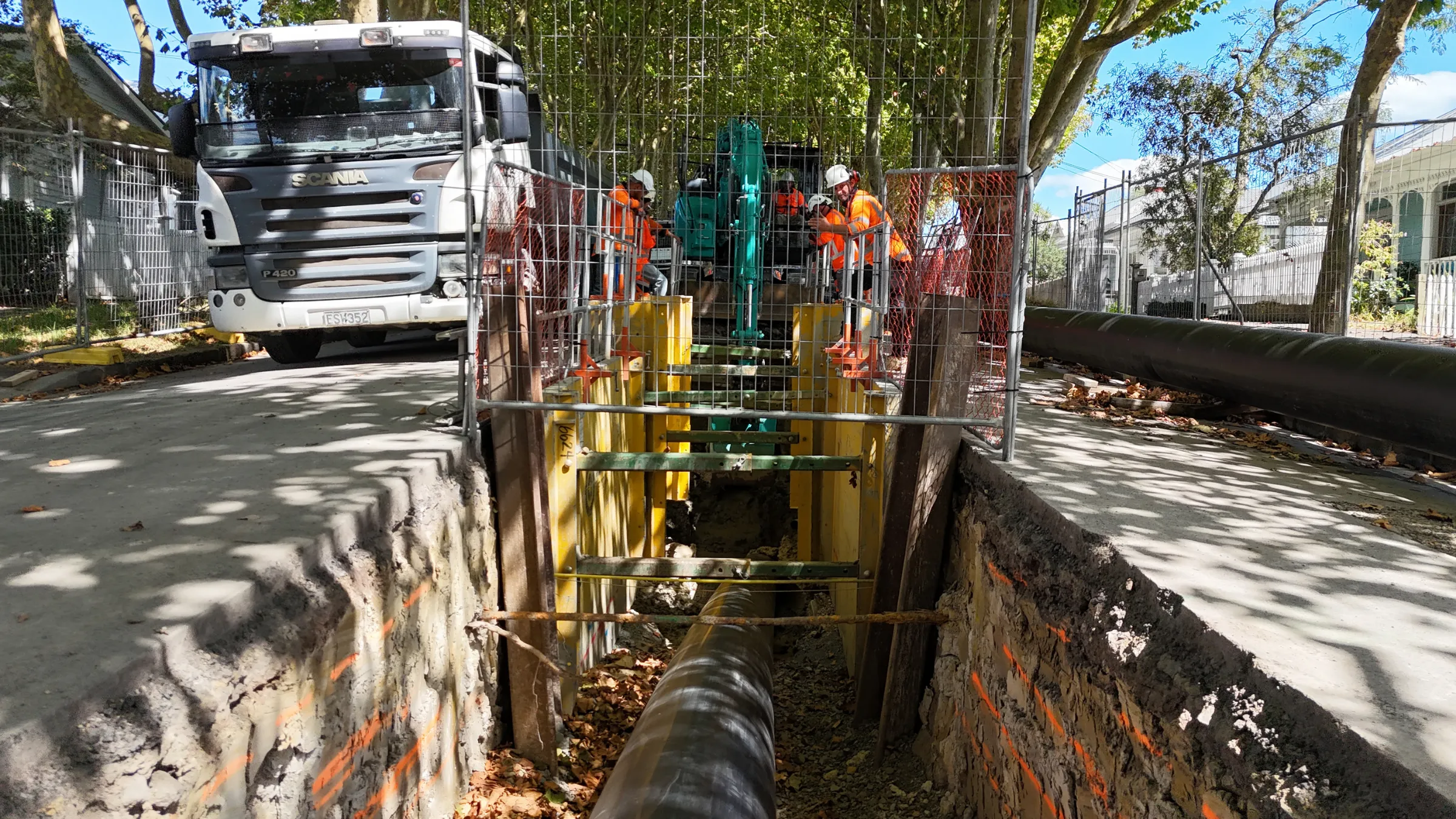
Consider a drainage package with pipelines, chambers and surface reinstatement. The team should confirm whether one statement is expected for the whole package or whether particular elements require separate records. That decision affects how the records are collected and which people need to be involved along the way.
Keep evidence with the work
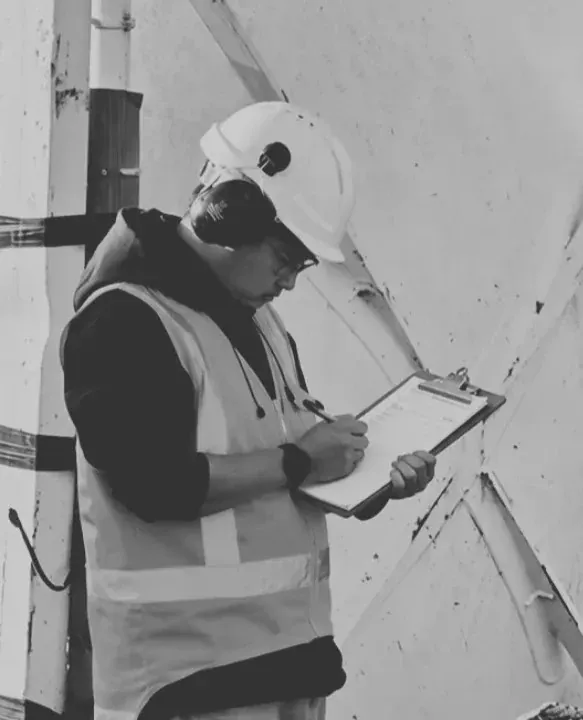
An inspection and test plan can provide a practical structure for the supporting information. It connects the specified checks to the construction sequence, identifies the relevant release points and makes the records expected at each stage clear.
Supporting information may include material records, installation inspections, survey results, test reports, photographs and approved departures. The actual requirements come from the project. Collecting more documents is not automatically better; the records need to be relevant, identifiable and consistent with what was built.
A photograph without an asset reference may be difficult to rely on months later. A test report with no clear link to the location of the work has the same problem. Simple naming and reference conventions established at the start can make final review much more straightforward.
Deal with changes as they happen
Construction rarely proceeds without questions. A revised detail, an unexpected ground condition or a changed material can affect the evidence needed for handover. Capture the decision and approval when the issue is resolved. Do not rely on recollection to explain the change later.
The person assembling the close-out records should be able to follow the chain from the original requirement to the approved change and the completed work. Where that chain is incomplete, identify the gap early and agree how it will be resolved with the appropriate party.
Avoid the last-week paperwork scramble
A common weak point in a project plan is treating documentation as an activity that starts once the physical work finishes. By then, people may have moved to another job, the work may be covered and the reason for a decision may be harder to establish.
Instead, review the status of handover records during construction. Keep a short list of outstanding inspections, test results, approvals and statements. Assign an owner and a due date. That is ordinary project control, not an extra layer of administration.
What a PS3 does not replace
A PS3 does not remove the need for agreed inspections, specialist design, construction review or other consent and contract obligations. Nor should it make unsupported claims about work outside the author's responsibility. When the required statement is unclear, get the receiving party's requirements confirmed rather than guessing.
Livic's quality assurance approach is to plan records around delivery and assemble handover progressively. The objective is simple: the finished asset and the information describing it should tell the same story.
Sources & further reading
Primary references checked during preparation. Confirm the requirements and current documents for your own project.
This guide is general construction information, not a site-specific design, legal opinion or safe-work method. The approved design, contract, consent conditions and relevant specialist advice govern each project.