Drainage / PRACTICAL GUIDE
What Is CCTV Pipe Inspection?
What a pipe camera can show, how to scope an inspection and how the records fit into drainage investigation and handover.
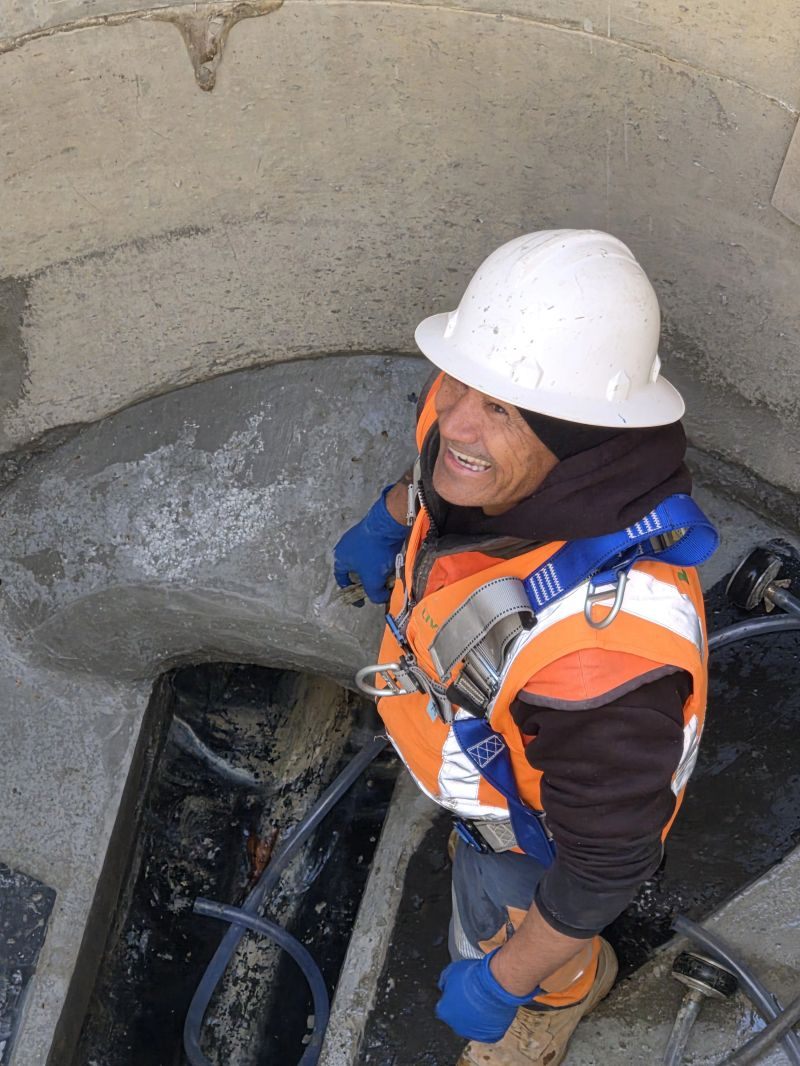 image: drainage-inspectionfile: drainage-5.jpgslot: hero.what-is-cctv-pipe-inspection
CCTV pipe inspection uses a camera to record the inside of an accessible pipe. It can support investigation of an existing asset or inspection of new and renewed drainage. The value is not just the video: it is a clear record tied to the correct asset, an agreed inspection scope and a useful interpretation of what was observed.
Begin with the question the inspection must answer
An investigation of an existing network and an acceptance inspection of new work are not identical tasks. One may be trying to understand a reported defect or locate an issue. The other may need to demonstrate compliance with a defined project requirement.
Before booking an inspection, agree its purpose with the client, designer or asset owner. Identify the pipe sections, connections and structures involved. Confirm the required reporting standard and deliverables. A vague request to "CCTV the drain" can leave important parts of the scope unresolved.
Know which asset is being recorded
Every record needs a reliable link to the actual infrastructure. Asset references, start and finish points, direction and relevant location information should be agreed. The contractor and specialist need to work from the same plan.
This matters particularly when a project includes several similar pipe runs or when existing asset labels differ from the proposed design. Resolve those differences early. A technically clear recording is much less useful if the reviewer cannot confidently identify the section it describes.
Prepare the inspection properly
Access, pipe condition, flow, visibility and the selected equipment can affect what can be recorded. The inspection specialist should confirm the preparation needed for the intended survey. Cleaning or other preparatory work may need to be included in the scope rather than assumed.
Plan the inspection around the construction sequence and access constraints. Confirm any required property access, traffic arrangements and specialist operating controls. Camera inspection is not permission to enter a chamber or undertake other hazardous work without the appropriate assessment and controls.
Where a complete inspection cannot be achieved, record the limitation clearly. An obstructed view or an inaccessible section should not quietly disappear from the final report. The reviewer needs to understand what has and has not been examined.
Use an agreed reporting basis
Water New Zealand's Gravity Pipe Inspection Manual provides an industry framework for consistent inspection and condition assessment of gravity pipelines. The applicable edition, coding and asset-owner requirements vary by project.
The key principle is consistency. The report, recording and asset references should allow the intended reviewer to find the observation and understand its context. The specification may also require particular digital files or data formats, so confirm those before the specialist starts rather than at final handover.
Understand the limits of the record
A camera can show the visible internal surface and features within the limits of the inspection. That does not automatically establish everything about bedding, external pipe support, backfill or construction outside the field of view. Nor does a recording by itself settle a design question.
Where a condition grade is reported, it is an estimate based on what the camera can see and the agreed coding system. It is not a direct measure of hidden support, external deterioration, wall thickness, remaining life or overall asset performance.
Use CCTV alongside the other evidence required by the project. Installation records, surveys, material information and specified tests may each answer different questions. The inspection and test plan should explain how they work together instead of treating one record as a substitute for all the others.
Interpretation also matters. Observations should be reviewed against the relevant acceptance criteria by the appropriate party. A contractor should not assume that sending a video link is the same thing as obtaining acceptance of the work.
Close the loop on defects and limitations
Agree how observations are reviewed, how any corrective work is instructed and what evidence will demonstrate close-out. Where a repeat inspection is needed, preserve the link between the original finding, the action and the final record.
A short defects register can help the team manage that process. Identify the asset and observation, the responsible person, the required action and the acceptance status. The objective is not to create paperwork for its own sake; it is to make unresolved matters visible before handover.
Include the inspection in the civil package
For Livic, specialist CCTV can be coordinated within the agreed Three Waters scope. Defining it early allows preparation, programme, access, review and close-out to be included rather than left as an unpriced final step.
The Hakanoa Street case study describes a supplied stormwater delivery scope. Its specific inspection and acceptance records need project confirmation. For any new package, start by agreeing what the inspection must prove and who will accept the result.
Sources & further reading
Primary references checked during preparation. Confirm the requirements and current documents for your own project.
This guide is general construction information, not a site-specific design, legal opinion or safe-work method. The approved design, contract, consent conditions and relevant specialist advice govern each project.