 image: card-civil-package-footpath-closedfile: card-civil-package-footpath-closed.webpslot: hero.what-does-a-civil-package-include-scope-of-work-guide
Project Delivery / PRACTICAL GUIDE
What Does a Civil Package Include? Scope of Work Guide
A practical scope-of-work guide covering boundaries, planning, construction interfaces, quality records and civil-package close-out.
A civil package is an agreed group of construction activities and responsibilities delivered as one managed scope. It may combine earthworks, drainage, structures, concrete and reinstatement, together with planning, engineering coordination, quality records and handover. The actual contents come from the contract and agreed scope, not from the label alone.
The physical work is only the starting point
Drawings help describe what is to be built, but they do not always allocate every task needed to build it. Access, temporary works, survey, service locating, testing and reinstatement can sit between disciplines. Those interfaces need to be made explicit.
For a client, a complete package can reduce the number of separate construction interfaces to manage. For the contractor, it means taking responsibility for joining the agreed activities together. Neither party benefits from leaving the difficult boundaries implied and discovering them once resources are on site.
Write down what is included
A useful scope identifies the work areas, assets and activities. It should say who supplies materials, who arranges specialist inputs and which approvals are prerequisites. It should also identify work by others, assumptions and exclusions in language the delivery team can understand.
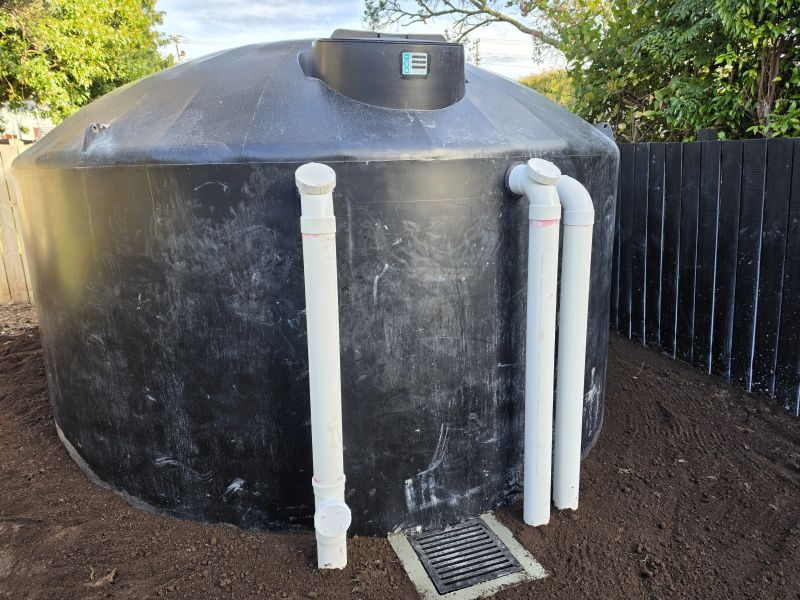
Consider a tank replacement. The tank itself may be supplied by one party, the foundation built by another and the plumbing completed by a specialist. Demolition, lifting access, overflow connections, testing and reinstatement still need owners. A single package can coordinate these responsibilities, but only if they are actually included and resourced.
Clarify design and temporary works
Construction coordination does not automatically include independent professional design. Identify the permanent designer and the route for technical queries and changes. Allocate any specialist temporary-works design, checking, installation and inspection responsibilities.
The package should connect those inputs to the construction sequence. A method that depends on a design approval needs that approval in the programme. A required inspection needs sufficient notice and access. Treating these matters as real activities makes the plan more useful.
Build a programme around the constraints
The programme should reflect how the work can be delivered, including access, procurement, operating arrangements, specialist attendance and inspection points. Production durations matter, but they are not the only drivers.
Keep the important assumptions visible. A date based on uninterrupted access is different from one based on short work windows. A price based on an approved detail is different from one based on a developing concept. Clear qualifications help the client and contractor understand what must be resolved next.
Plan resources and interfaces together
The right people and plant need to be available at the right point in the sequence. That includes subcontractors, suppliers, testing specialists and survey support. Agree the scope and handover points for each rather than assuming the main programme will communicate everything.
The day-to-day plan should identify constraints early enough to do something about them. A short coordination conversation with the right information can prevent a crew arriving to find that an approval, delivery or access arrangement is missing. Senior decision-makers need a clear route to resolve the issue.
Include quality and handover from the start
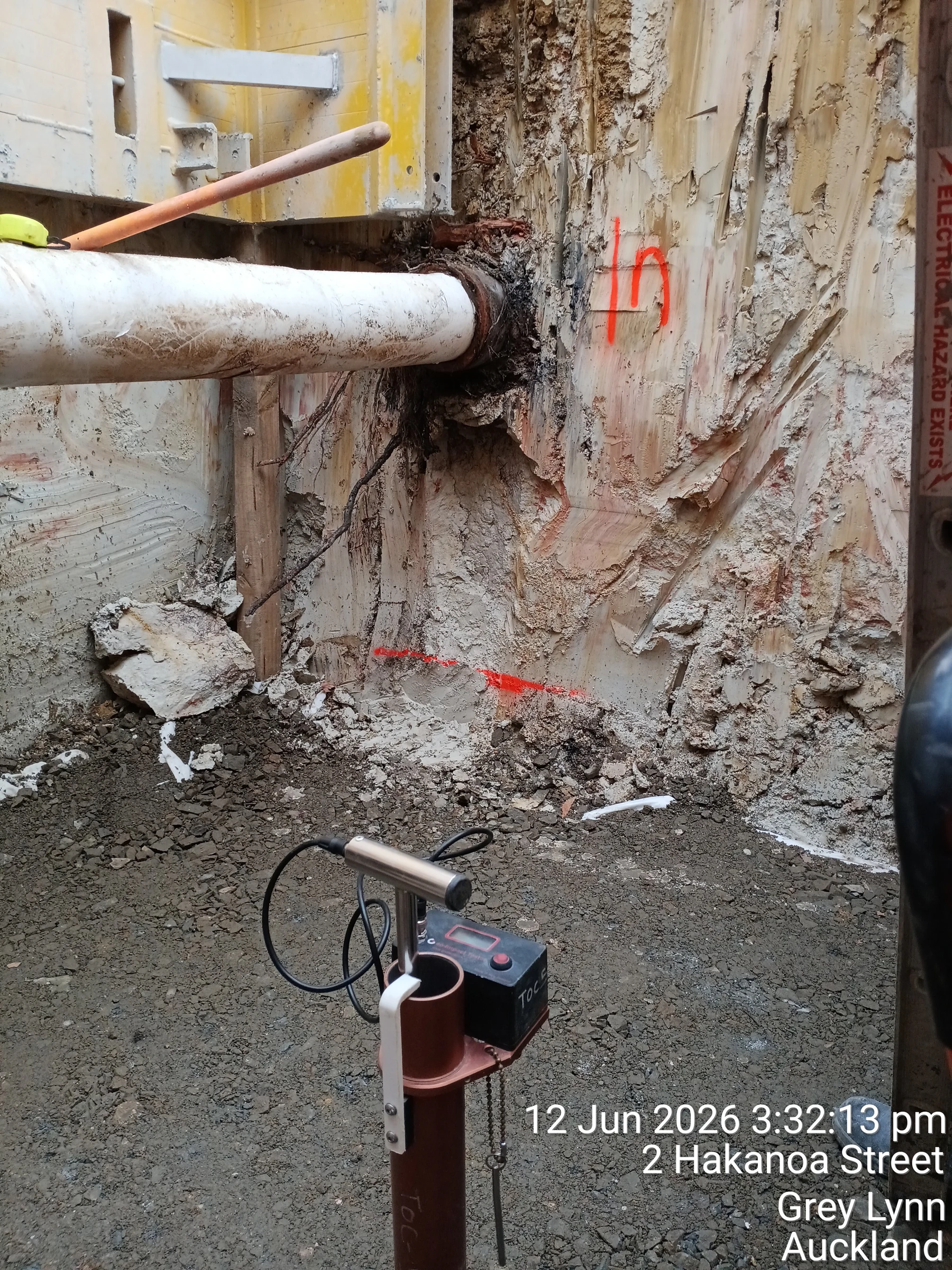
Inspection and test plans, material records, surveys, as-builts and construction statements may form part of the required close-out information. The project determines the actual deliverables. Agree them early and assemble them as the work progresses.
This is where a package should connect physical progress with evidence. An asset is not necessarily ready for handover because construction has stopped. Defects, testing, documentation and client acceptance may still remain. Track those items clearly rather than using one broad "complete" label for several different states.
Make communication practical
A delivery package needs agreed reporting, technical query and change processes. These should be proportionate to the job, but they still need to work. Confirm who can give instructions, who needs notice and where the current information is held.
The same applies to stakeholders outside the contract team. Property access, service interruptions and changes to the work area should have a communication owner. People affected by the work need information they can act on, not only a general statement that construction is underway.
What to send with an initial enquiry
Send the available drawings, location, scope outline and required timeframe. Identify known access restrictions, live assets, consent conditions and specialist interfaces. Say which design information is complete and which decisions remain open.
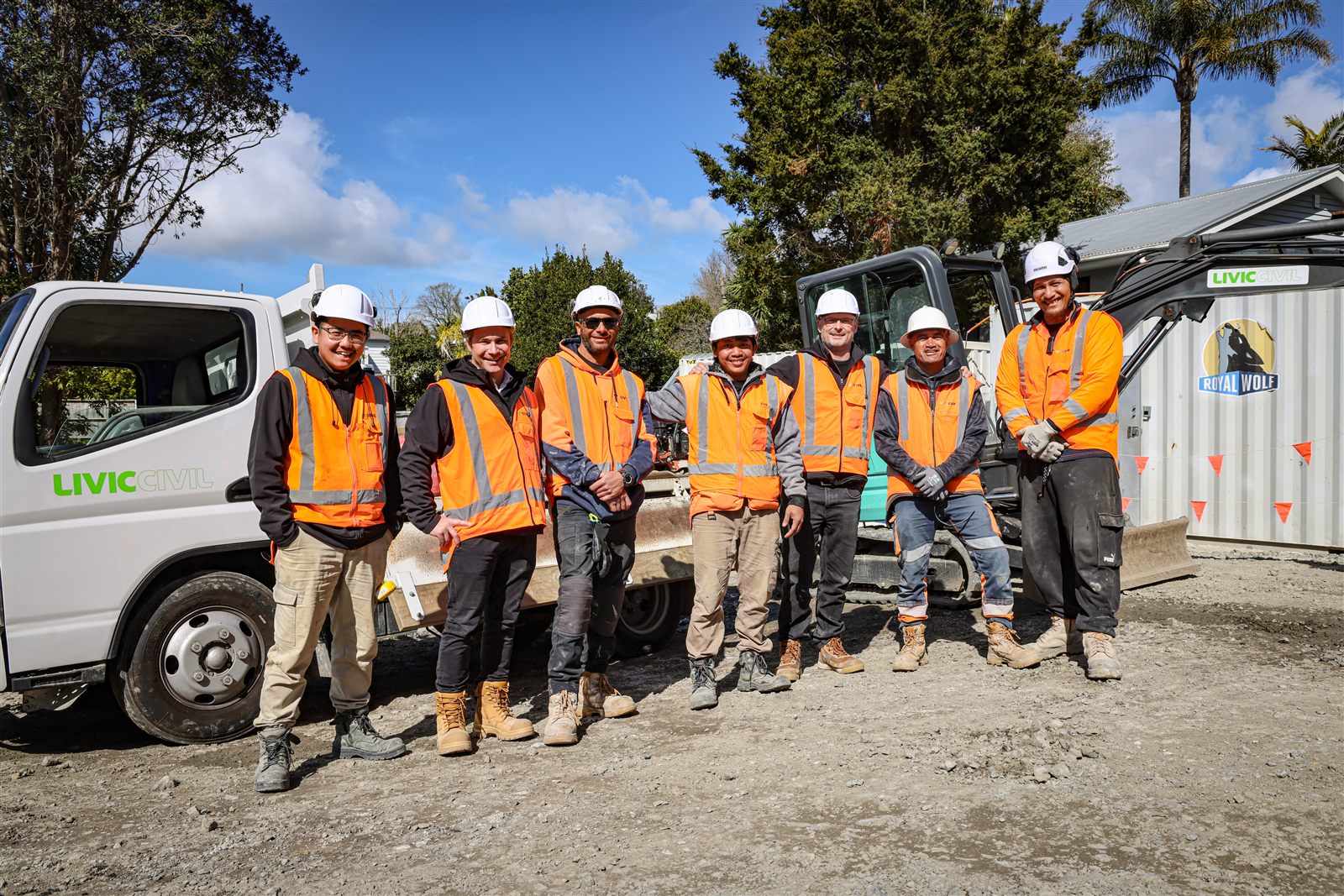
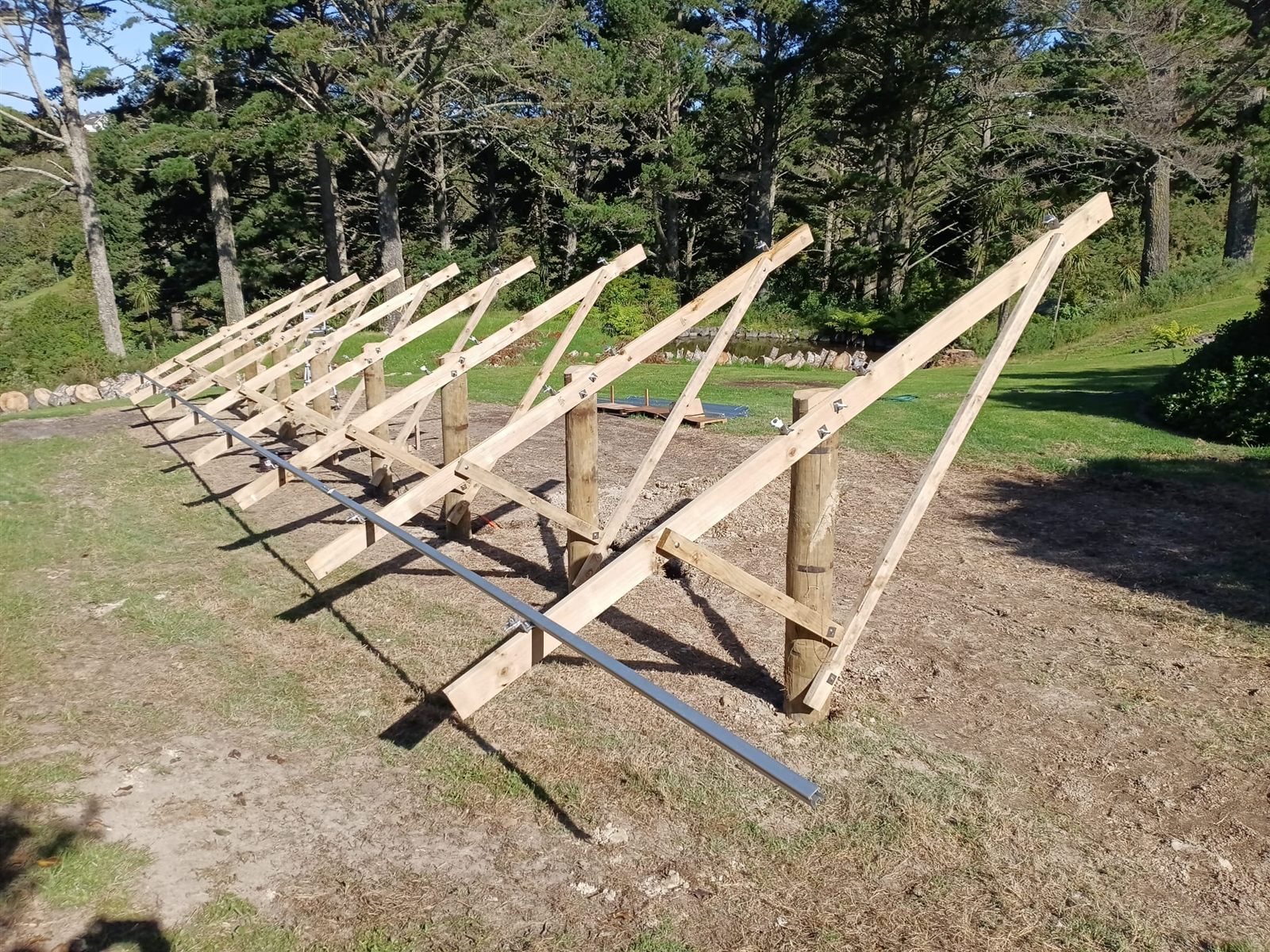
Livic's civil package delivery brings planning and site work together through a lean delivery team. The supplied Army Bay scope is an example of several interfaces around one tank-replacement job. The useful question for the next project is simple: what needs to be delivered, and who is taking responsibility for each part?
This guide is general construction information, not a site-specific design, legal opinion or safe-work method. The approved design, contract, consent conditions and relevant specialist advice govern each project.