Three Waters / PRACTICAL GUIDE
What Is Stormwater Separation?
How stormwater separation works, why it matters in Auckland’s older combined networks, and who manages the stormwater and wastewater systems.
Let's talk about your project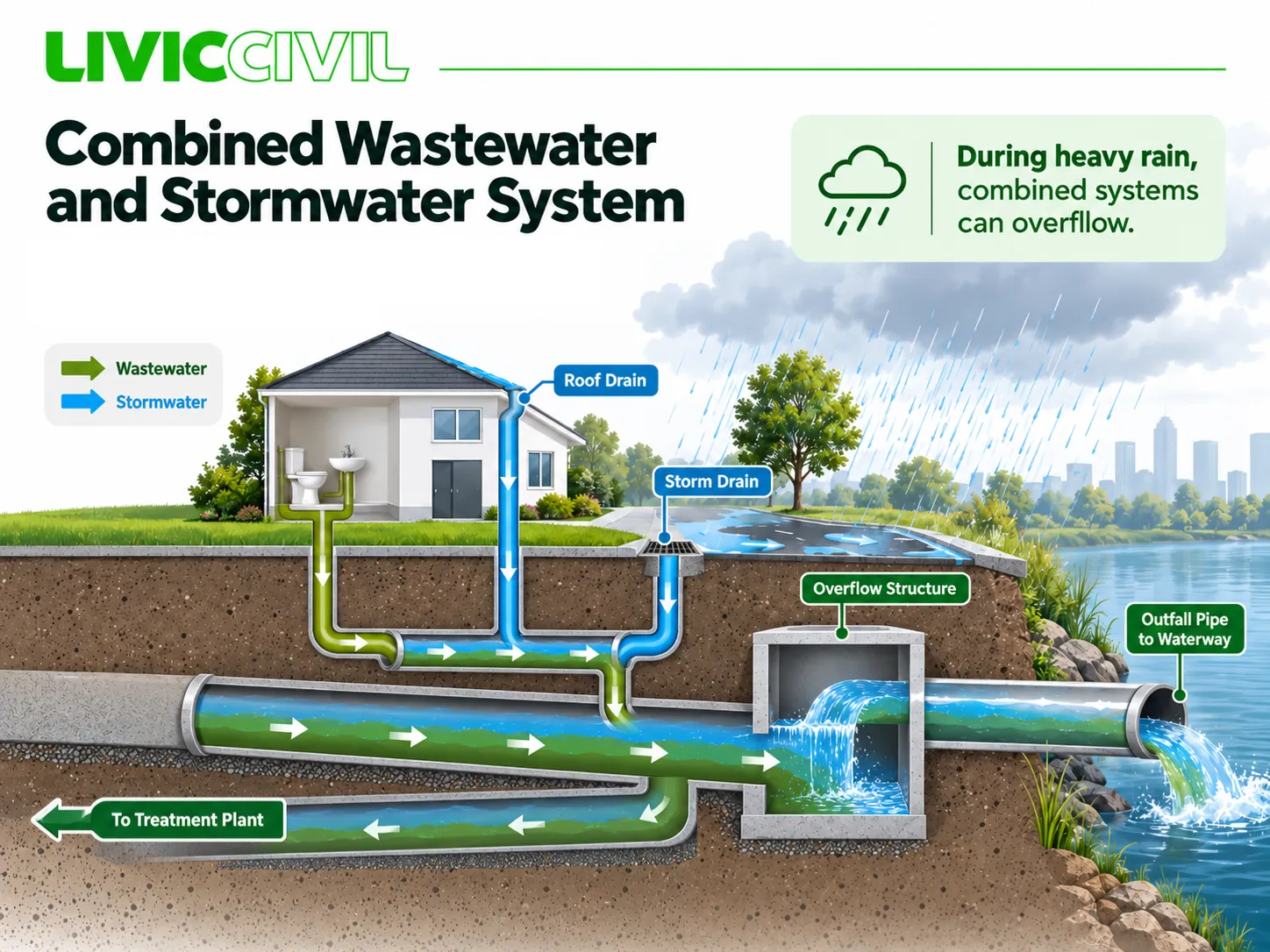 image: combined-wastewaterfile: combined-wastewater-diagram.webpslot: hero.what-is-stormwater-separation
Why separation matters
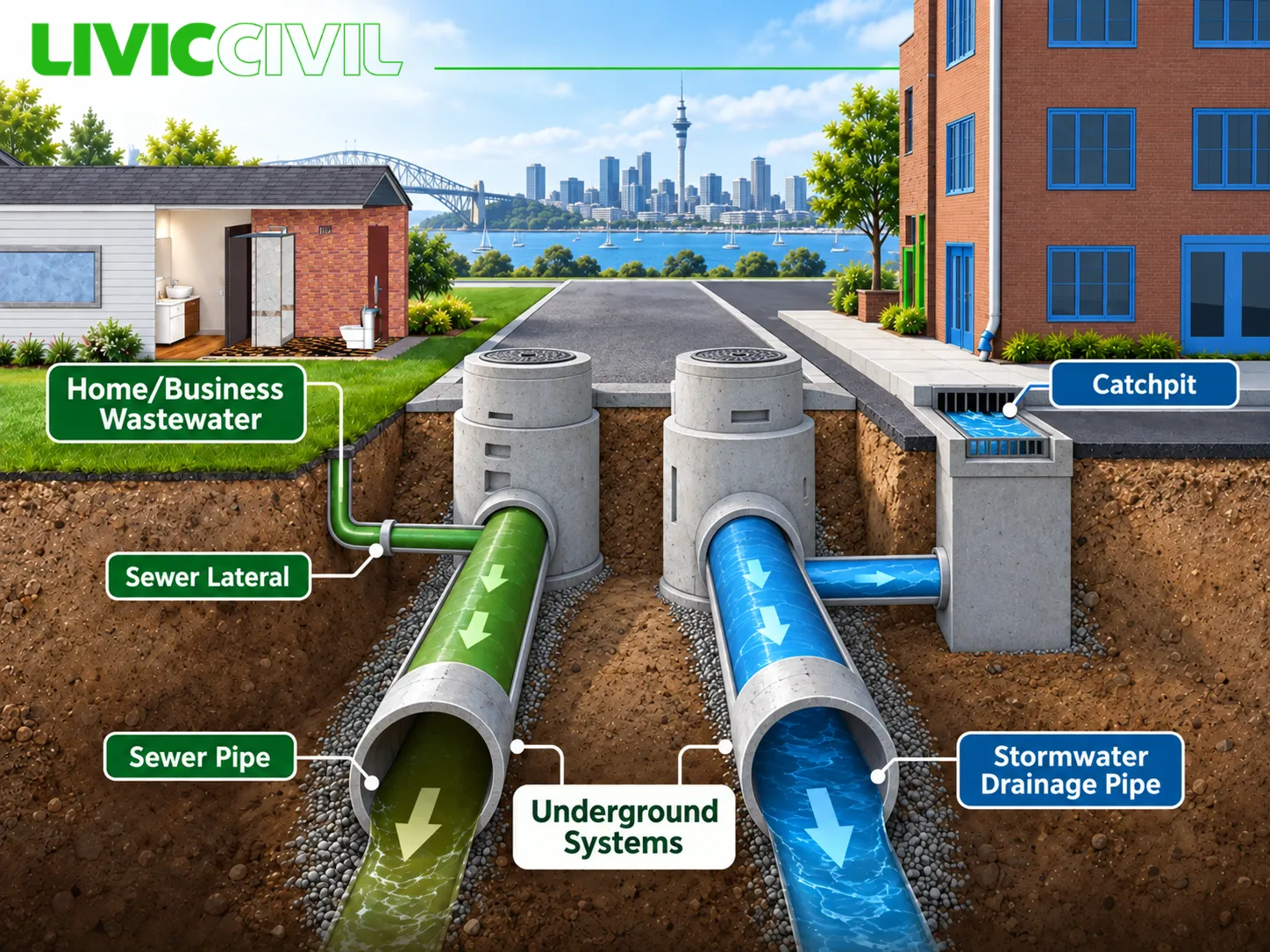
Stormwater and wastewater do different jobs. Stormwater is rainwater from roofs, roads and paved areas. It should travel through a stormwater network to a stream, coastal outlet or treatment feature. Wastewater from toilets, kitchens, bathrooms and laundries should travel in a separate network to treatment.
When rainwater enters a wastewater pipe, it uses capacity that the wastewater system needs during a storm. In older combined networks, one pipe can carry both flows. Heavy rain can then exceed the capacity of the pipe, downstream interceptor or treatment system, creating wet-weather overflows to the environment. Separation reduces the amount of rainwater entering that wastewater network.
What is a combined drain?
Many established Auckland suburbs were developed before separate networks were standard. A combined drain carries wastewater and stormwater in the same pipe. In dry weather, its flow can be conveyed for treatment. In a significant rain event, the combined flow rises quickly and may exceed the available capacity.
That is why water-quality advice can change after heavy rain. The underlying issue is not simply a blocked pipe: it is a system designed in another era with more water entering it than can be carried at peak times. Network upgrades, storage and separation programmes all address different parts of that problem.
Who manages stormwater separation in Auckland?
Auckland Council’s Healthy Waters and Flood Resilience team is responsible for stormwater services. Watercare manages wastewater services. Some programmes involve both organisations where the work connects to both networks. The responsible asset owners, design requirements and approvals should be confirmed for each location.
What does stormwater separation involve?
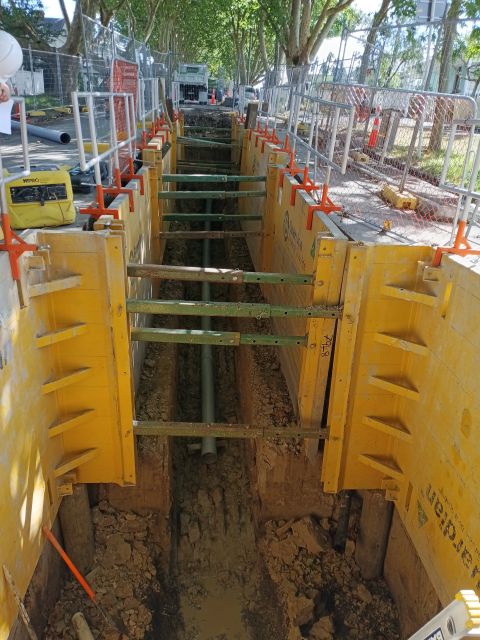
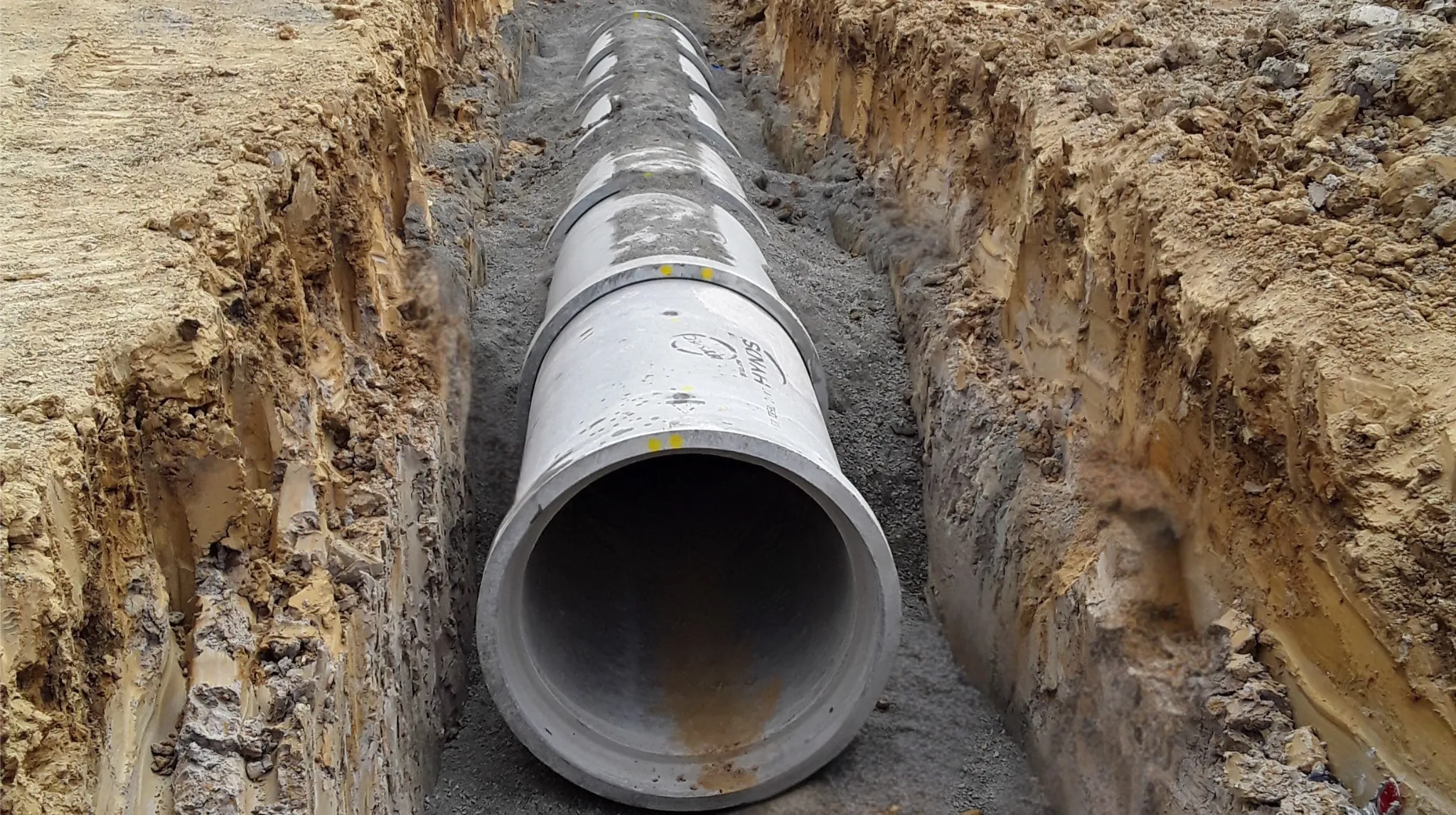
On the public network, separation commonly involves installing new stormwater pipes, manholes, catchpits, connections and outfalls, then directing rainfall away from the wastewater system. Work may also include overland-flow paths, subsoil drainage, retaining, pavement reinstatement and landscaping.
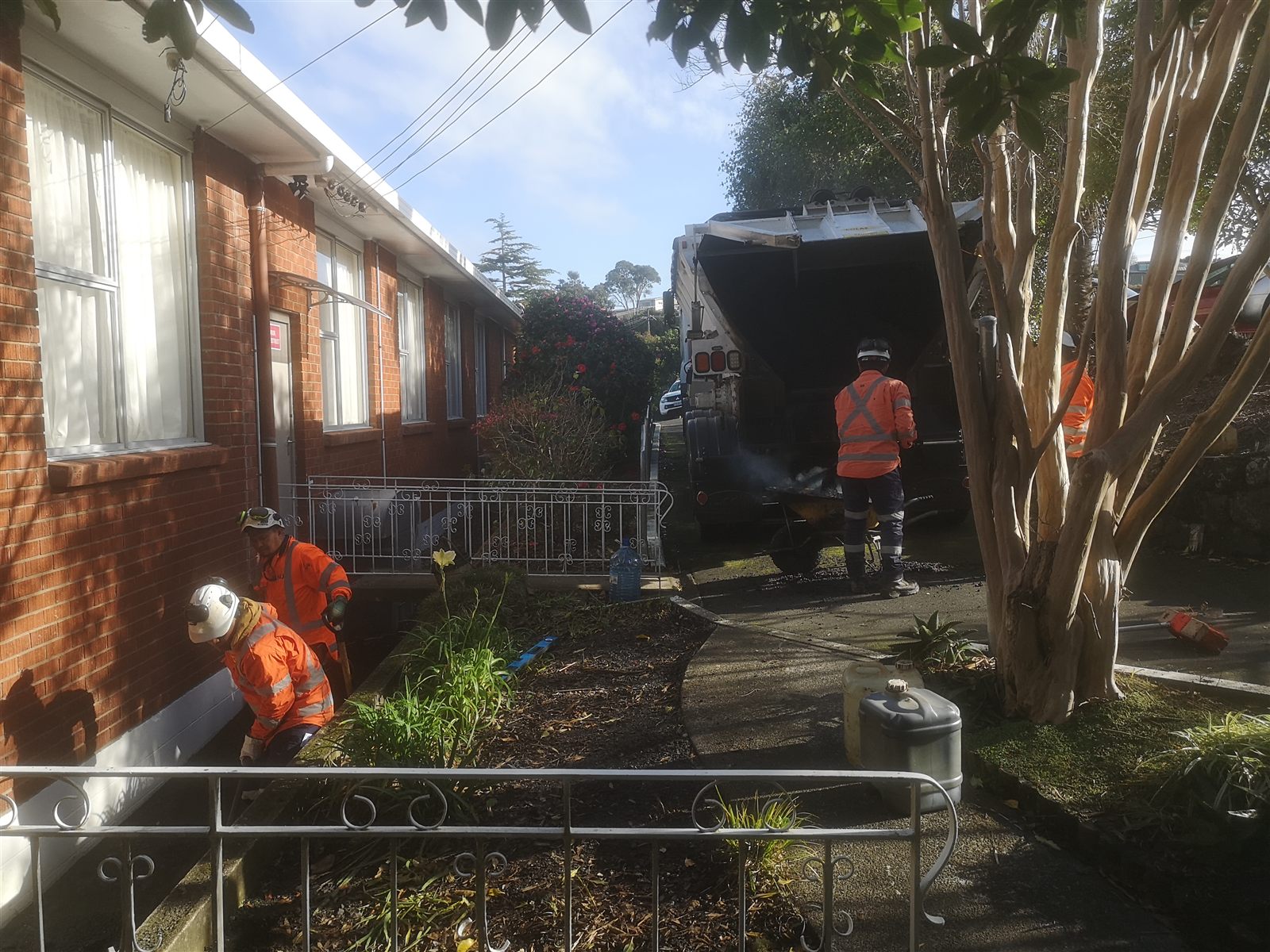
On private property, separation can mean identifying downpipes, yard gullies and existing drains, then reconnecting appropriate stormwater sources to the new stormwater network. Each property is different. The practical scope depends on survey information, the location of existing services, the approved design and access requirements.
How is the work normally sequenced?
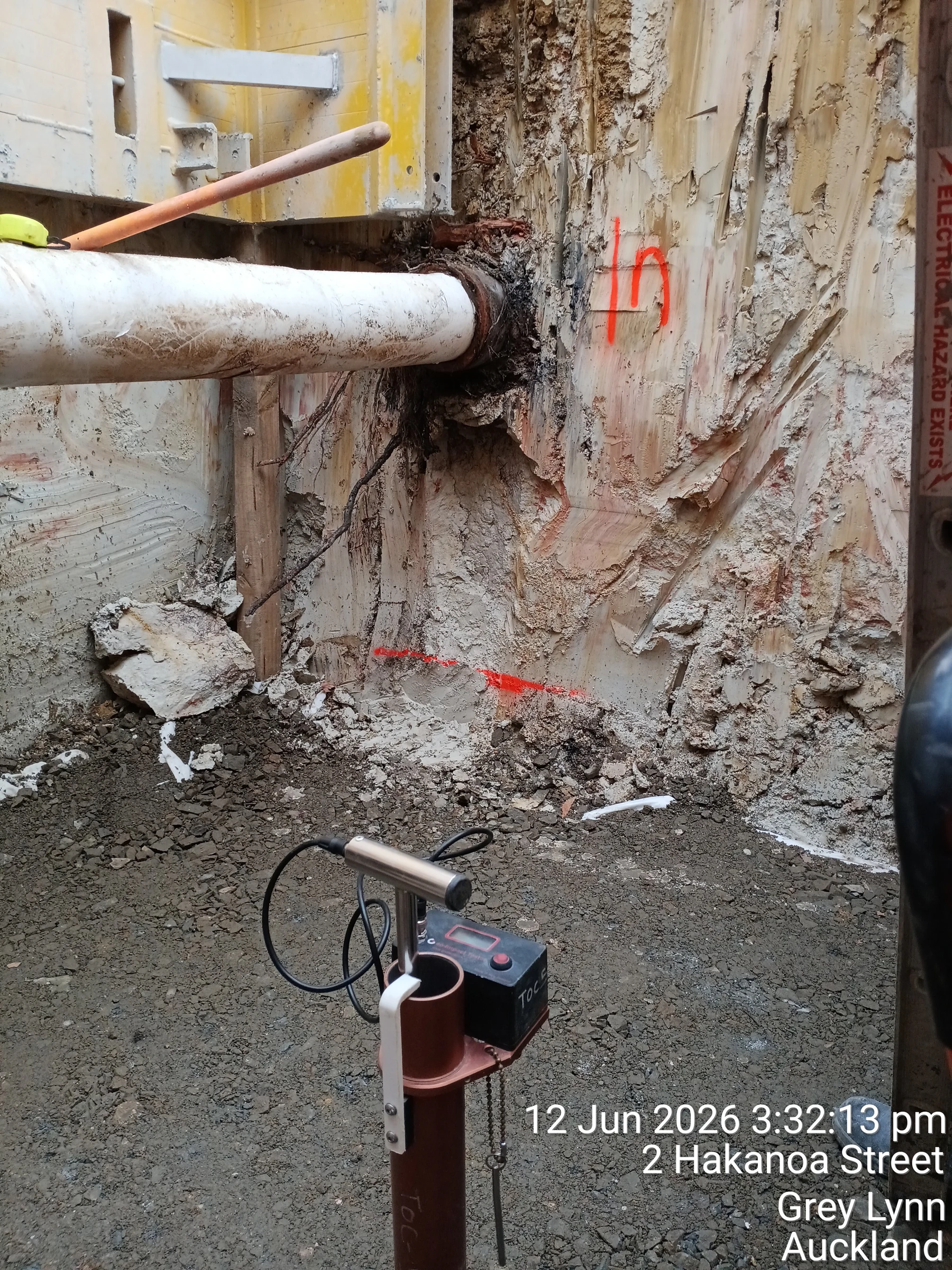
The work starts with information rather than excavation. The project team confirms the approved design, surveys the site, locates known services and plans traffic, pedestrian and resident access. Trial holes or further investigation may be needed where records do not fully show the depth or position of existing utilities.
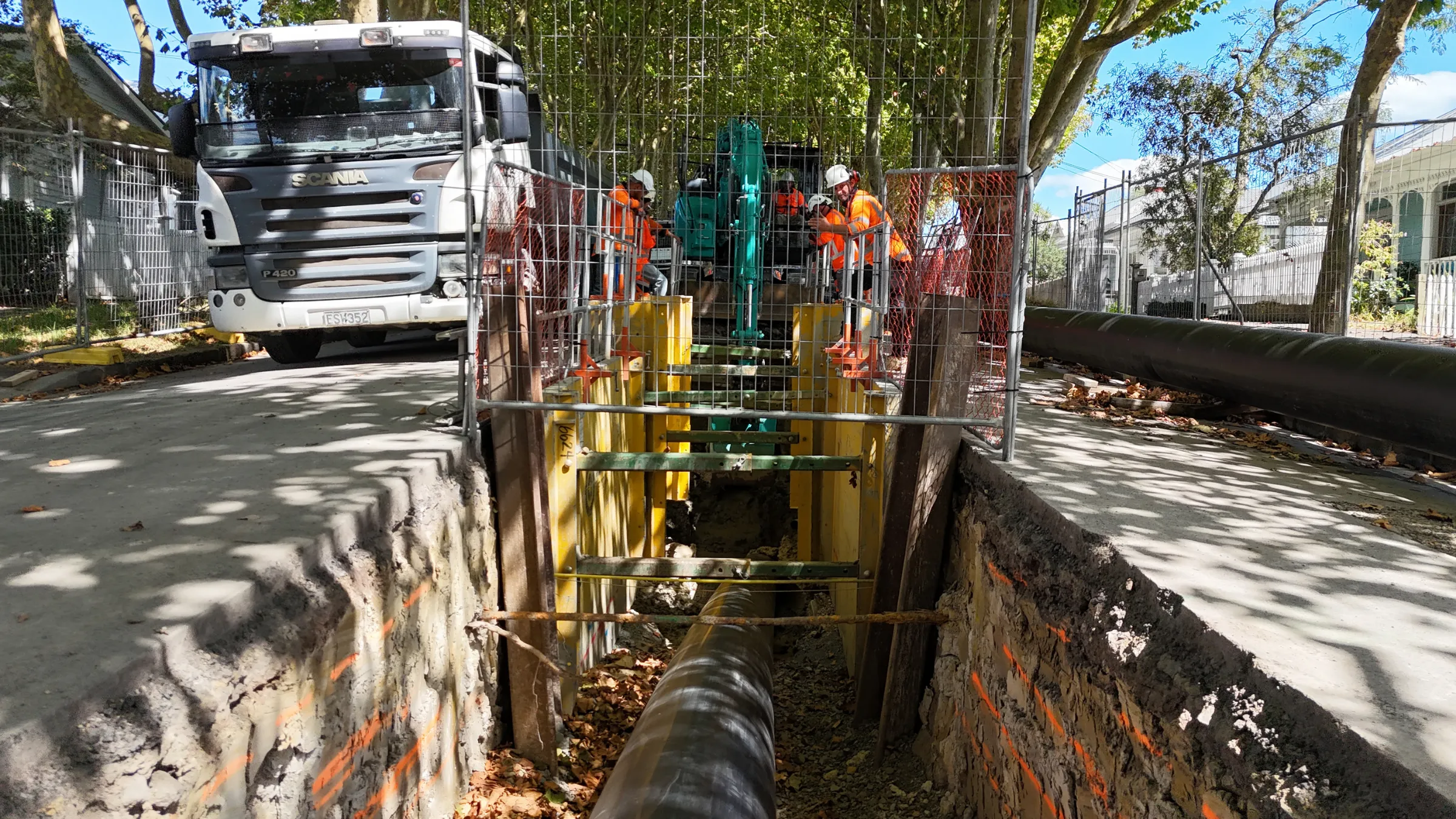
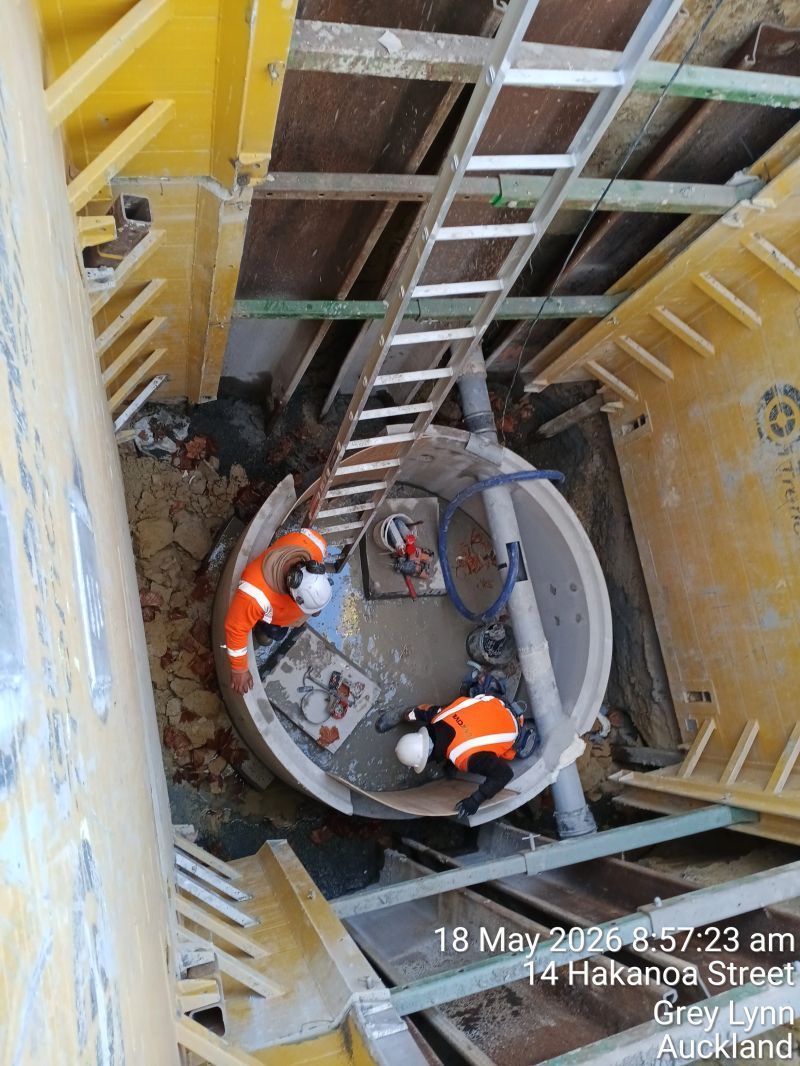
Construction then proceeds in manageable lengths. Crews establish traffic controls, excavate safely, install and test the new pipes and structures, make planned connections, backfill and reinstate the surface. The exact sequence changes around live services, groundwater, poor ground, driveways, mature trees and weather. Clear notices and a practical access plan are essential in residential streets.
What does a property owner need to know?
Property work should be explained before it begins. Owners and occupants need to know where crews will work, whether access is needed, which existing fixtures are affected, how long a connection may take and what reinstatement is proposed. A good plan also identifies gates, pets, vehicle access, landscaping and any business or care requirements that could affect the programme.
The final connection should follow the approved design and be checked before surfaces are restored. Keeping clear records of the completed route, connection points and any changes made on site helps future maintenance and avoids repeating investigation later.
Does separation stop every wastewater overflow?
No single project can guarantee that every overflow is eliminated. Separation removes a source of wet-weather flow from the wastewater network, so it can reduce pressure on the system during rain. The overall outcome also depends on the wider network, treatment capacity, storage, maintenance and the scale of rainfall.
It is still a lasting improvement. Once a roof or paved area has been correctly separated, that rainwater no longer needs to travel through the wastewater pipe. Across a programme covering many streets and properties, those permanent reductions can make a meaningful difference.
What Livic Civil delivers on separation projects
Livic Civil delivers the physical civil works within separation programmes: stormwater pipelines, manholes, catchpits, property connections, drainage solutions, traffic management coordination and reinstatement. In established suburbs, delivery also means protecting access, coordinating around live services and keeping residents informed as the work moves along the street.
The construction details matter because the network needs to perform long after the trench is closed. Accurate set-out, safe excavation, testing, records and careful reinstatement turn an approved drainage design into infrastructure that can be operated and maintained.
What it means for Auckland
Stormwater separation is practical, often unseen infrastructure work. It helps keep wastewater systems focused on wastewater and moves rainwater through the network designed for it. Alongside other water-quality and network improvements, it supports healthier streams, beaches and harbours after rain.
Sources & further reading
Primary references checked during preparation. Confirm the requirements and current documents for your own project.
This guide is general construction information, not a site-specific design, legal opinion or safe-work method. The approved design, contract, consent conditions and relevant specialist advice govern each project.