Three Waters / PRACTICAL GUIDE
What Is a Combined Drainage System?
How combined stormwater and wastewater pipes work, why heavy rain can create overflows, and how separation reduces one source of wet-weather pressure.
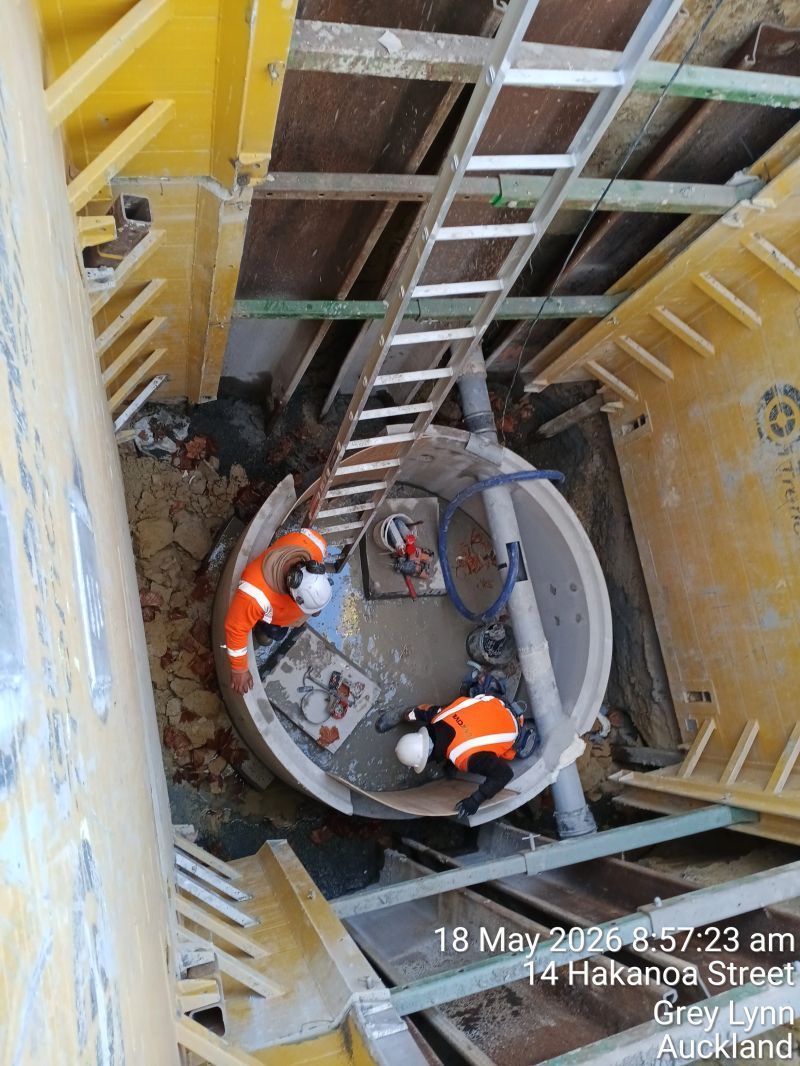 image: drainage-wastewaterfile: drainage-3.jpgslot: hero.what-is-a-combined-drainage-system
What is a combined drainage system?
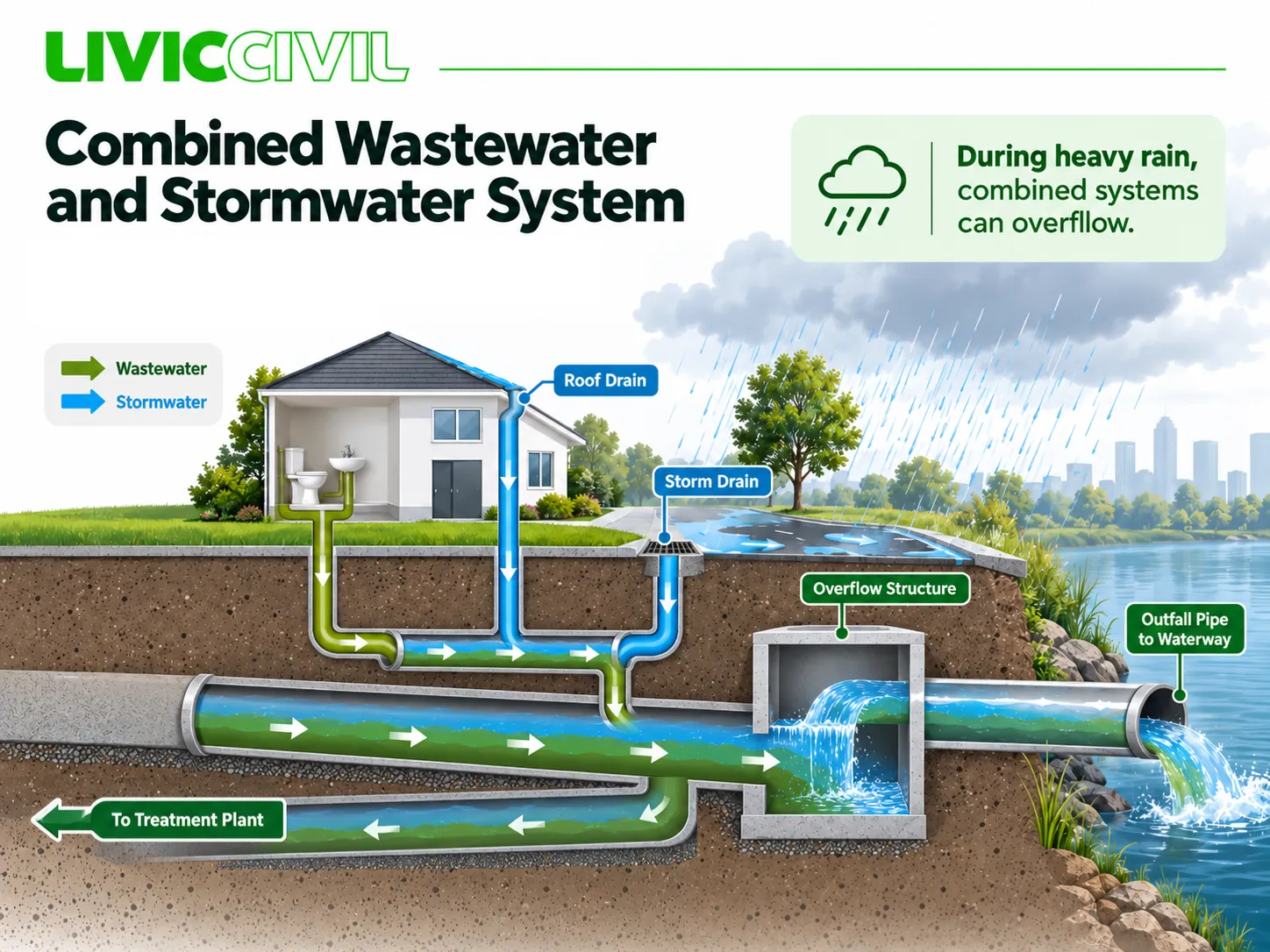
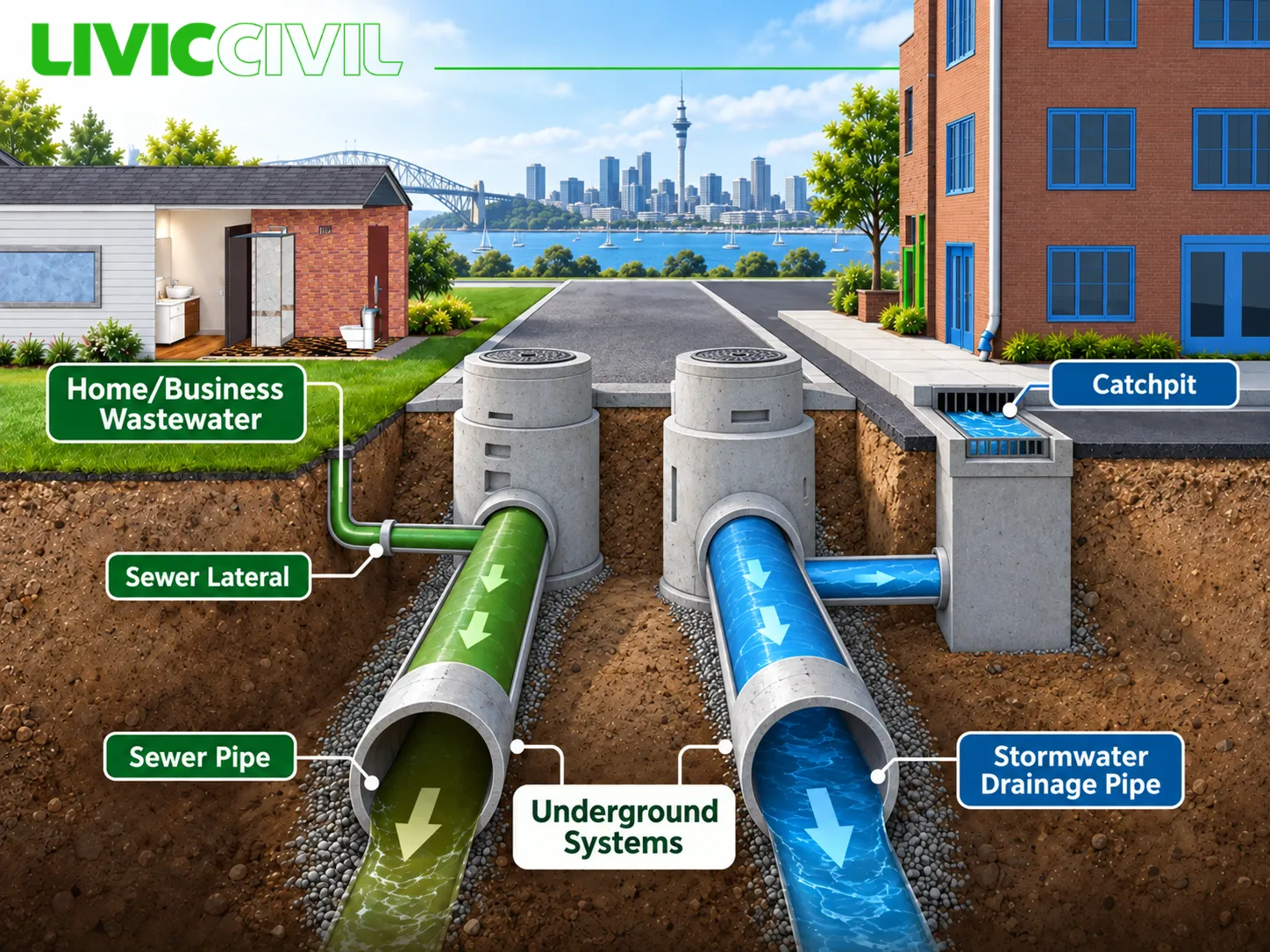
A combined drainage system carries stormwater and wastewater in the same pipe. Stormwater is rain runoff from roofs, roads and other surfaces. Wastewater includes used water from toilets, kitchens, bathrooms and other plumbing. In a separate system, those flows use different networks. In a combined system, both enter a shared pipe and travel together towards the wastewater network and treatment process.
Auckland has both arrangements. Auckland Council manages stormwater services and Watercare manages wastewater services. Watercare says most areas have separate wastewater and stormwater networks, while some older parts of central Auckland still have combined pipes. Some projects involve both organisations. The network at a particular street or property should be checked rather than assumed from its age or appearance.
Why heavy rain changes the risk
A wastewater pipe normally carries used water at a relatively steady rate. Rain can add a large and fast-changing volume to a combined pipe, or enter the wastewater network through incorrect connections, defects or other pathways. During an intense downpour, that additional flow can exceed the available capacity of pipes, pump stations, storage or downstream infrastructure.
Some combined systems have engineered overflow points that provide a route for excess flow when the network reaches its limits. Those overflows can discharge to the environment. If wastewater escapes through a manhole, gully trap or another structure, the water may contain untreated sewage. Watercare describes wastewater overflows as mostly water, but says they can also contain human waste and other material. The exact pathway and contents depend on the network and the event.
Flooding can make the situation harder to manage. Surface water may cover structures, restrict access and carry contaminants across streets or properties. Where stormwater and wastewater share infrastructure, an overflow can be a mixture rather than clean rainwater. People should keep clear of floodwater and known wastewater overflows and follow current advice from the network operator or local authority.
Why untreated wastewater is a concern
Wastewater contains material that needs to be conveyed and treated. When untreated wastewater reaches streets, properties, streams, beaches or the harbour, it can affect public health and water quality. The visible flow may look diluted by rain, but dilution does not make it safe to touch or enter.
This is also why water-quality advice can change after wet weather. A spill may travel through an outfall or a local waterway before it is obvious at a nearby beach. The location and duration of an effect depend on rainfall, the network, the receiving environment and the specific overflow. Check the current local guidance before swimming after heavy rain.
What stormwater separation changes
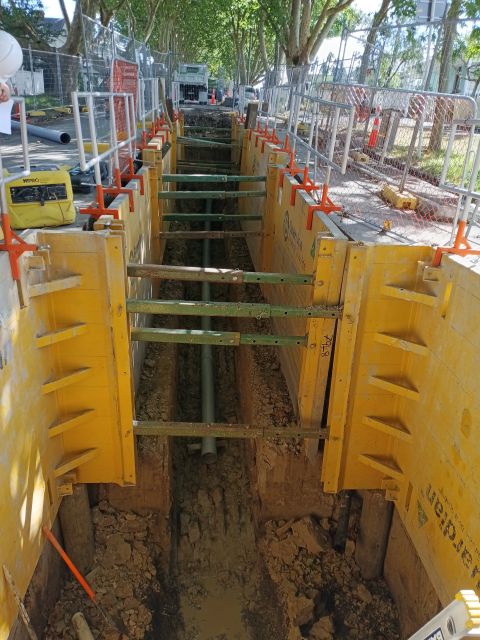
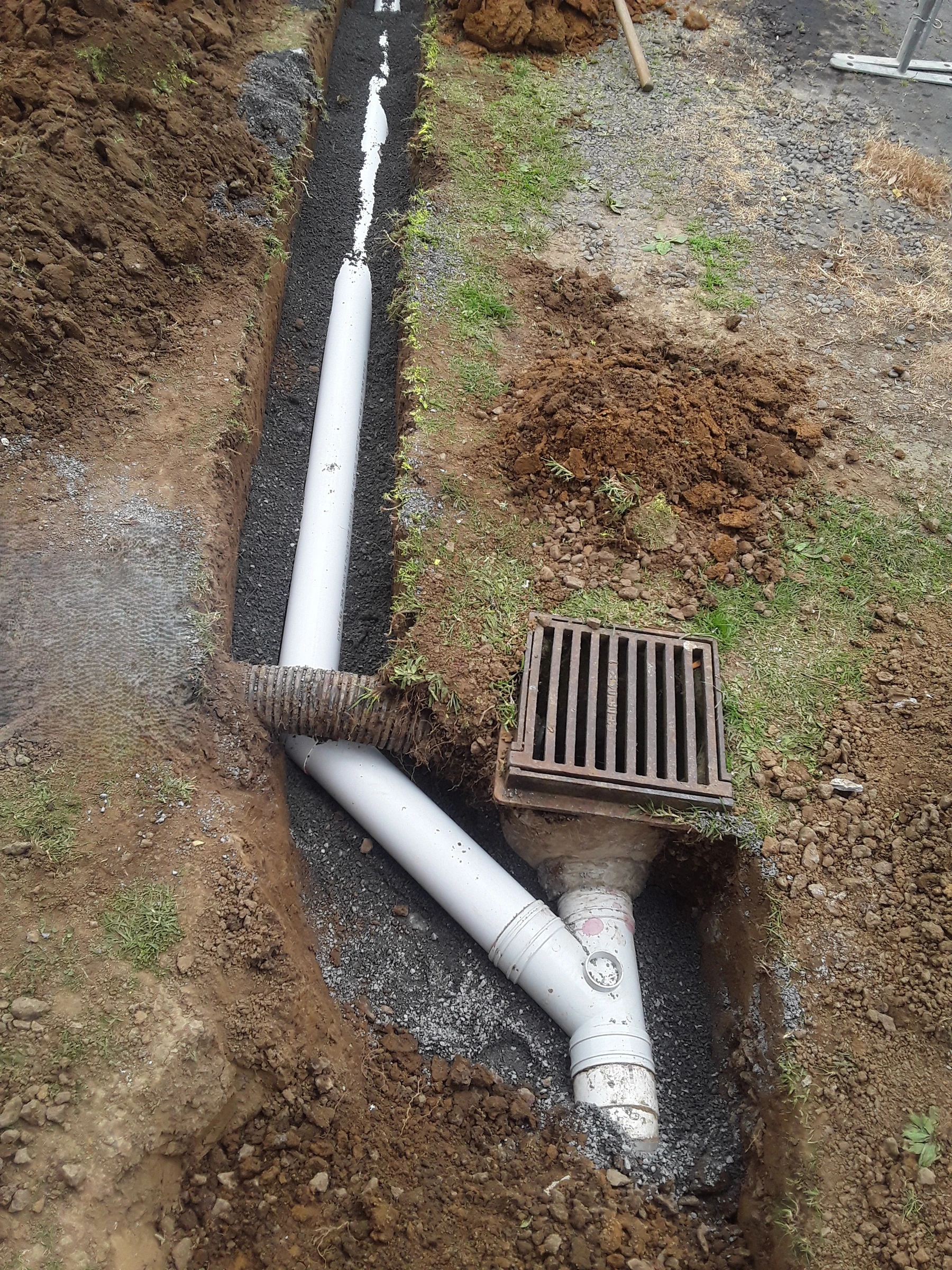
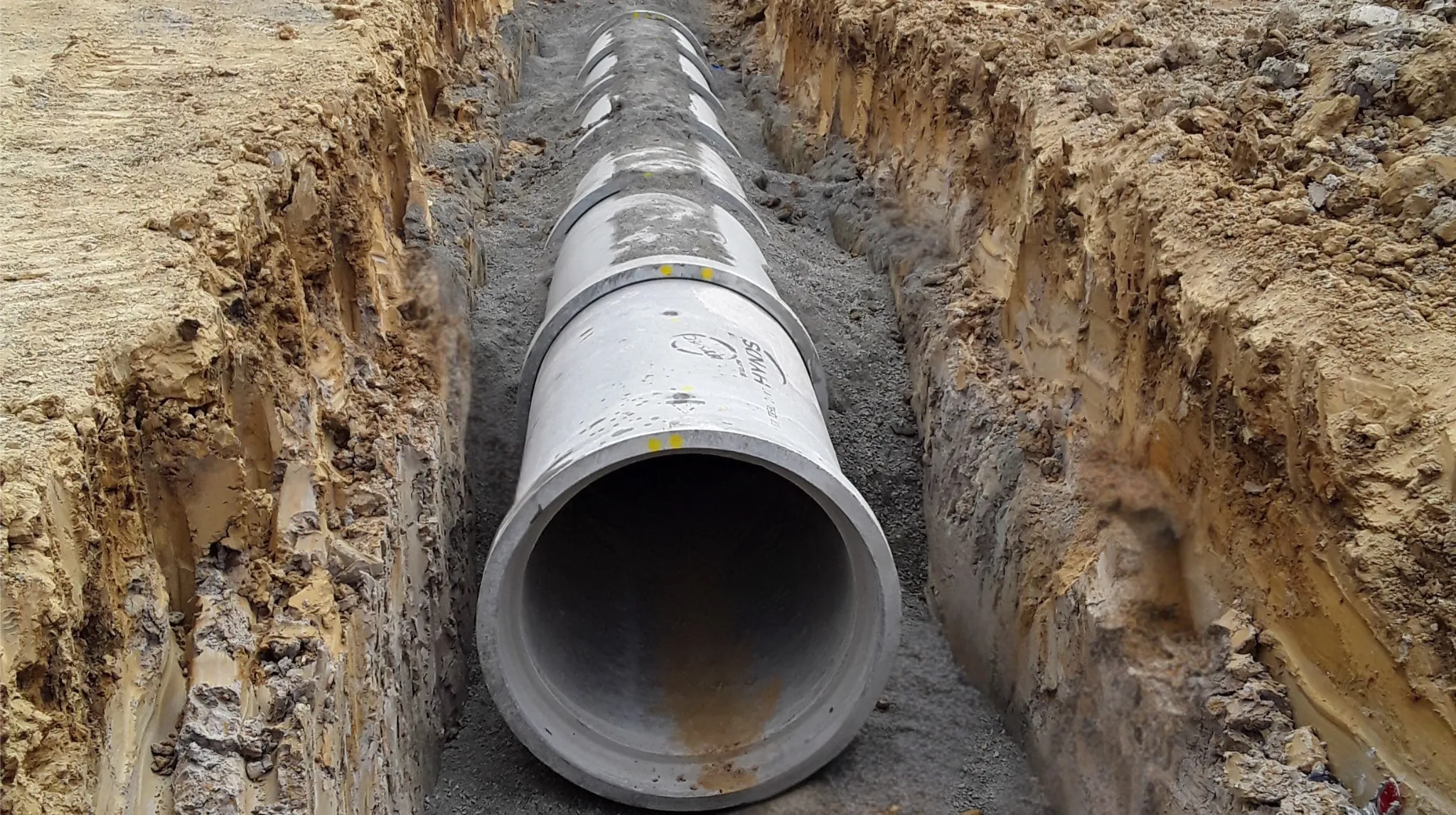
Separation means directing rain runoff and wastewater into the network designed for each flow. In a project this may require new stormwater pipes and connections, changes to property drainage, manholes or catchpits, and reinstatement of streets and private access. Surveys, service checks and property-by-property investigation help confirm how the existing drains connect before the design is finalised.
Separation is one part of managing wet-weather overflows. Network upgrades, storage, pumping and treatment improvements can also be required. No single property connection or construction project can promise that every overflow will stop. The outcome depends on the wider network and the rainfall it experiences.
What makes these projects challenging to build?
In established neighbourhoods, the public network and private drainage meet in tight spaces. Crews may need to work around live services, driveways, trees, parked vehicles, narrow berms and residents who rely on daily access. Records can be incomplete, and the proposed route may need to change after the actual connection, ground or service position is checked.
A buildable plan therefore starts with the information available, then confirms key details through agreed site checks. Property access, work limits, lateral routes, ground conditions, traffic and pedestrian movements, temporary drainage and reinstatement all need to be coordinated. Good records show what was installed and where, so future maintenance teams are not left to repeat the investigation.
How Livic Civil can contribute
Livic Civil can deliver the physical civil work within a stormwater separation programme, including stormwater pipelines, manholes, catchpits, property connections and reinstatement. Where included in the agreed scope, the team can coordinate access and construction checks, plan lateral routes with the project team, and keep owners informed as work moves through a street.
The appointed designer, network operator and consent authority determine the approved design, testing and acceptance requirements. Livic's role is to build the agreed scope safely and carefully, coordinate interfaces on site, and provide records that reflect the completed work.
Further reading
Auckland Council manages stormwater services and Watercare manages wastewater services. Watercare explains how wastewater overflows occur and notes that most Auckland wastewater and stormwater networks are separate, with some combined areas in central Auckland. Some separation projects are joint programmes. The sources below provide background; confirm the current network and project requirements for the location being considered.
Sources & further reading
Primary references checked during preparation. Confirm the requirements and current documents for your own project.
This guide is general construction information, not a site-specific design, legal opinion or safe-work method. The approved design, contract, consent conditions and relevant specialist advice govern each project.