
 image: deliveryfile: ECI.webpslot: hero.early-contractor-involvement
Project Delivery / CAPABILITY
Early Contractor Involvement.
Bring practical construction input into a project early, while design, programme and scope decisions can still be improved.
Let's talk about your projectTHE CIVIL SCOPE
Built around the work.
Early Contractor Involvement (ECI) brings construction thinking into a project before the scope and delivery plan are fixed. It gives the design and project team a chance to test how the work can be built while there is still room to make useful changes.
Phil and William bring a combined 50 years of construction experience. We can review buildability, programme, cost and interfaces, then give clear advice grounded in what the site and sequence will require.
Check how the design will be built
Review access, temporary works, services, staging, materials, plant and construction interfaces. The aim is to identify constraints early and give the design team practical options to consider.
Test the programme against the sequence
Look at dependencies, approvals, procurement, access and handovers alongside the proposed construction sequence. A useful programme review shows where decisions or information are needed before they affect the work.
Find cost options that still work on site
Review the scope for duplication, unnecessary complexity and avoidable construction steps. Cost minimisation should preserve the required performance, quality and safety outcomes.
Use value engineering carefully
Compare practical alternatives against the design intent, whole-of-life requirements, consent pathway and construction risk. Recommendations are explained clearly so the client and design team can decide what to adopt.
Examples of practical outcomes
Previous reviews have identified opportunities to reduce consent costs and simplify drainage layouts by removing unnecessary manholes, which also shortened construction time. The value is in finding a sound option early and checking it with the project team.
Work with the project team
ECI is collaborative. Livic can review the information available, raise questions, test options with the designer and client, and help turn agreed decisions into a buildable scope. Design responsibility and approvals remain with the appointed professionals and authorities.
A FEW USEFUL ANSWERS
Good questions.
When should a client consider ECI?
Consider it while design, scope, programme or construction approach can still be changed. Early input is most useful before key choices become difficult or expensive to revisit.
What does Livic review during ECI?
The agreed review may cover buildability, staging, site access, service interfaces, programme, cost options and practical value engineering. The scope is set with the client and design team.
Does ECI transfer design responsibility to Livic?
No. Livic provides construction and delivery input within the agreed role. The appointed designer retains design responsibility, and project approvals remain with the relevant parties.
Why use Livic Civil for ECI instead of a Tier One contractor?
You get direct input from experienced construction people early, while keeping your options open. Livic Civil can review buildability, programme, cost and practical value engineering, then the client can take the developed scope to market independently. If Livic Civil is asked to help with pricing, that can be done transparently. Where a prospective Tier One contractor has already carried out substantial ECI and later competes for the work, a clear procurement process matters to protect fairness. ECI does not commit the client to award the construction contract to Livic Civil or any other contractor.
How can early involvement improve sustainability?
Early decisions about scope, materials and construction methods can shape a project’s environmental impact. New Zealand Ministry for the Environment guidance says carbon assessment at concept and early design is likely to have the greatest influence on reducing emissions. Contractors still affect material use, waste, transport and site energy during delivery, and the opportunity varies by project; we do not rely on a fixed 80/20 split. Read the Ministry for the Environment guide to managing greenhouse gas emissions.
Related capabilities
The connected disciplines behind the work.
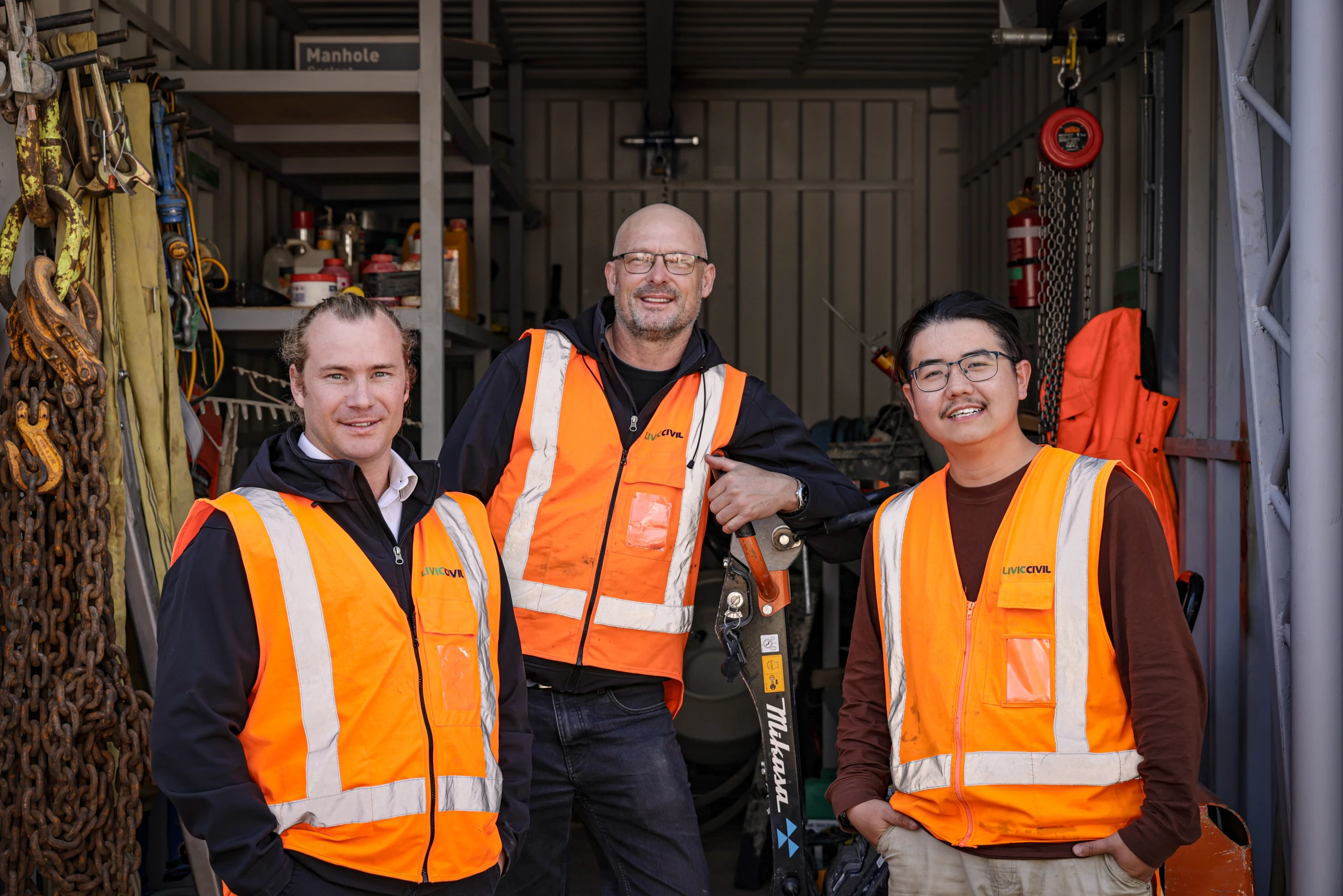 image: card-project-delivery-3995file: card-project-delivery-3995.webpslot: related-cap-project-delivery-early-contractor-involvement.01.project-delivery
Project Delivery
Complete Auckland civil packages, from methodology and site engineering through construction, quality records, stakeholder coordination and close-out.
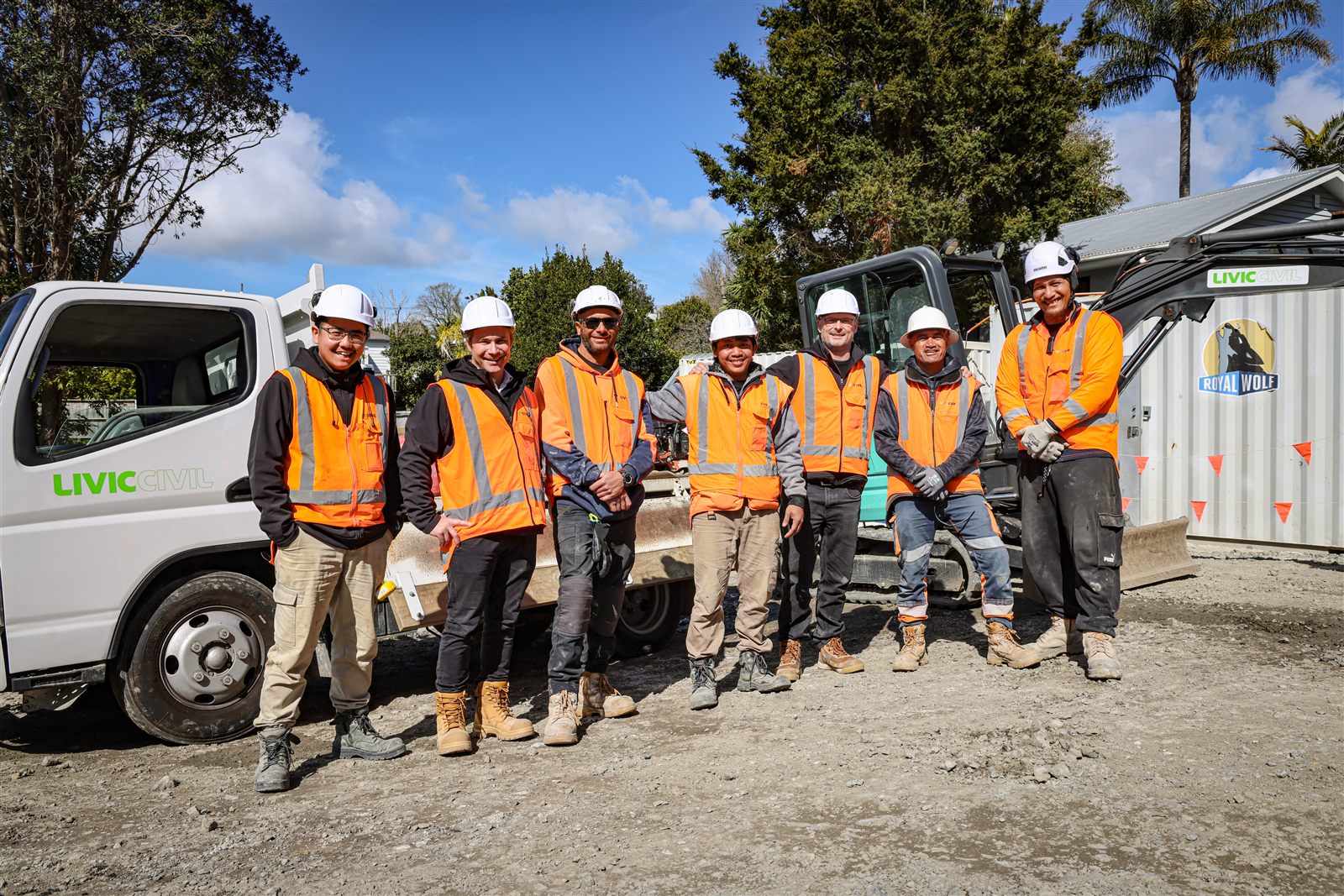 image: delivery-packagefile: crew-4.jpgslot: related-cap-project-delivery-early-contractor-involvement.02.project-delivery-civil-package-delivery
Complete Civil Packages
A managed civil scope with planning, resources, engineering, quality and delivery coordinated through one accountable team.
 image: delivery-methodfile: crew-5.jpgslot: related-cap-project-delivery-early-contractor-involvement.03.project-delivery-construction-methodology
Construction Methodology
Buildable methodologies, sequencing, temporary-works interfaces and practical planning before civil construction starts.
 image: card-delivery-engineering-3481file: card-delivery-engineering-3481.webpslot: related-cap-project-delivery-early-contractor-involvement.04.project-delivery-site-engineering
Site Engineering
Set-out coordination, engineering support, technical queries, quality records and site-based problem solving for civil delivery.
A closer look
Straightforward information from the practical side of civil construction.
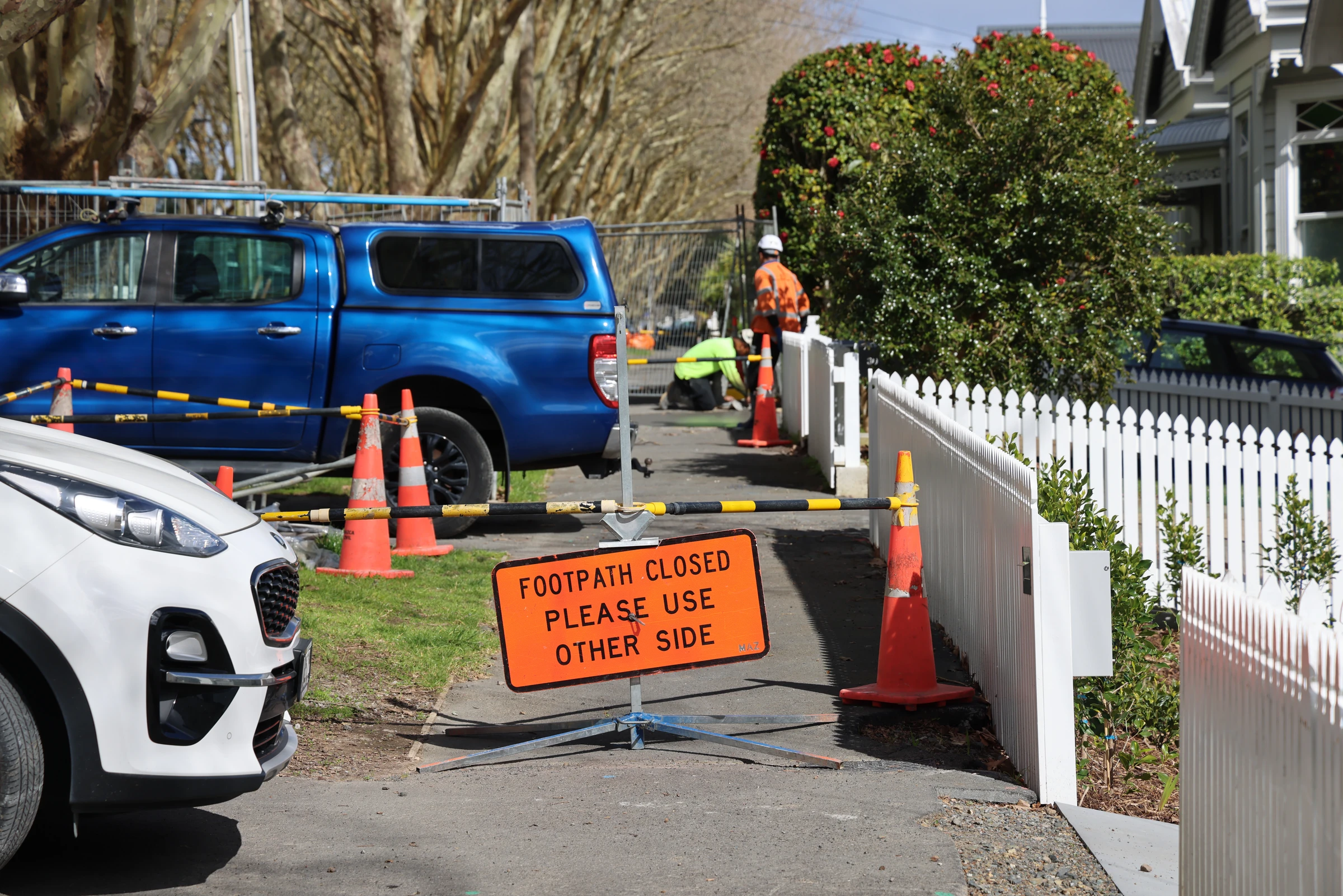 image: card-civil-package-footpath-closedfile: card-civil-package-footpath-closed.webpslot: related-insight-project-delivery-early-contractor-involvement.01.what-does-a-civil-package-include
Civil Package Scope of Work
A practical scope-of-work guide covering boundaries, planning, construction interfaces, quality records and civil-package close-out.
 image: delivery-insight-informationfile: crew-8.jpgslot: related-insight-project-delivery-early-contractor-involvement.02.why-good-information-matters-on-site
Why Good Information Matters on Site
Current drawings, clear decisions and records close to the work: practical information control without unnecessary layers.
START A CONVERSATION
HAVE A PROJECT?
LET'S BUILD IT.
If you have civil work coming up in Auckland, talk to us early.
Talk to Livic enquiries@liviccivil.co.nz027 406 2789